Table of Contents
Nestled in the heart of Lavonia, Georgia, the Vickery Street Historic District stands as a testament to the town’s rich architectural and cultural heritage. Spanning approximately 23 acres, this district offers a glimpse into the architectural styles and community planning of the late 19th and early 20th centuries.
Historical Significance
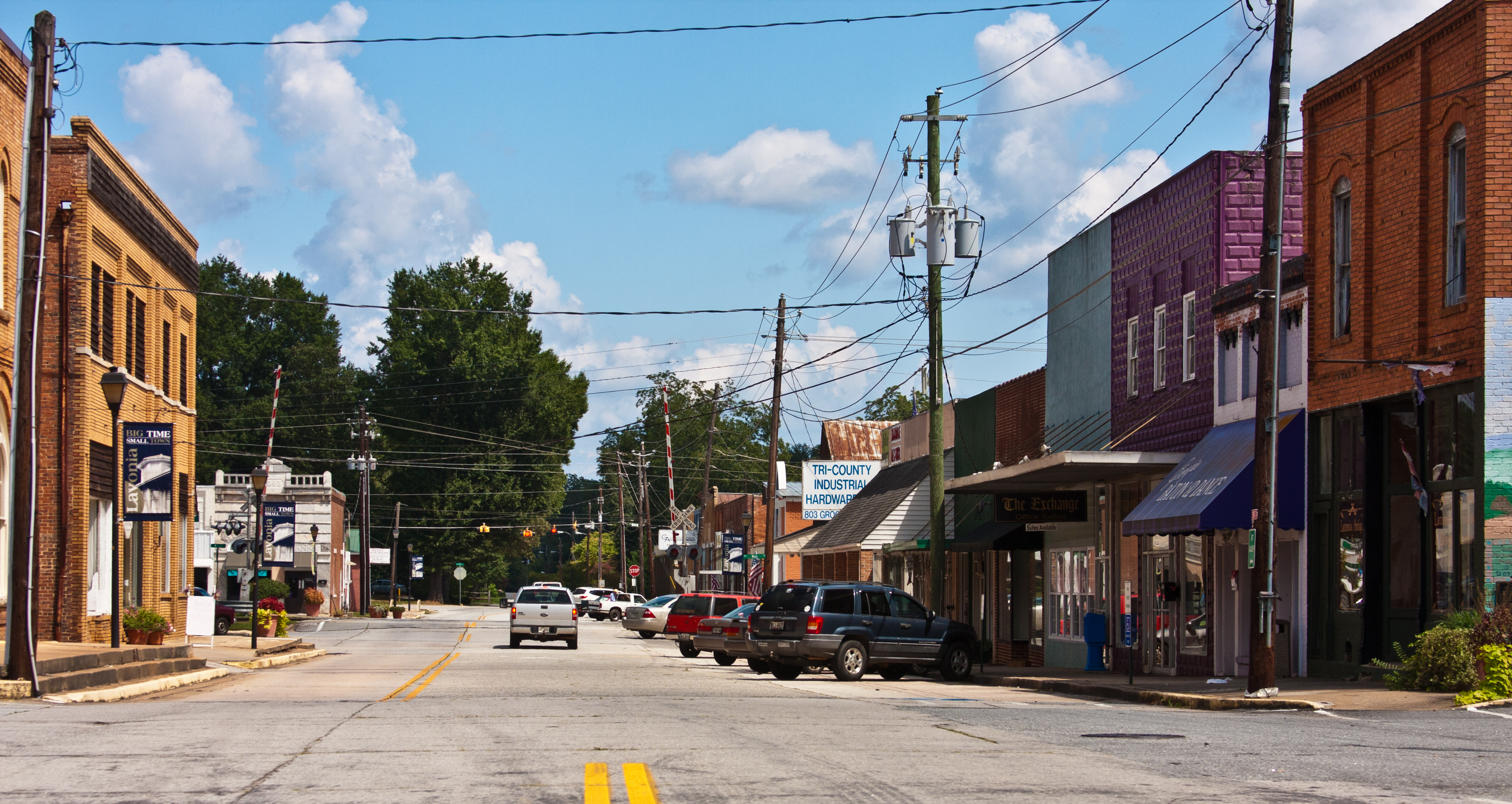
The Vickery Street Historic District in Lavonia, Georgia, represents a vital chapter in the town’s development and architectural identity. Recognized on the National Register of Historic Places since 1983, this district preserves an impressive collection of residential structures that trace the growth of Lavonia from a small railroad town to a thriving rural hub in northeast Georgia.
This article explores the history, architecture, and cultural impact of the Vickery Street Historic District—providing insights that are not commonly found in mainstream travel guides or web searches. It highlights the broader relevance of this historic area to the local community and positions it as an emerging point of interest for heritage tourism, civic engagement, and economic revitalization.
The Founding of Lavonia and the Emergence of Vickery Street
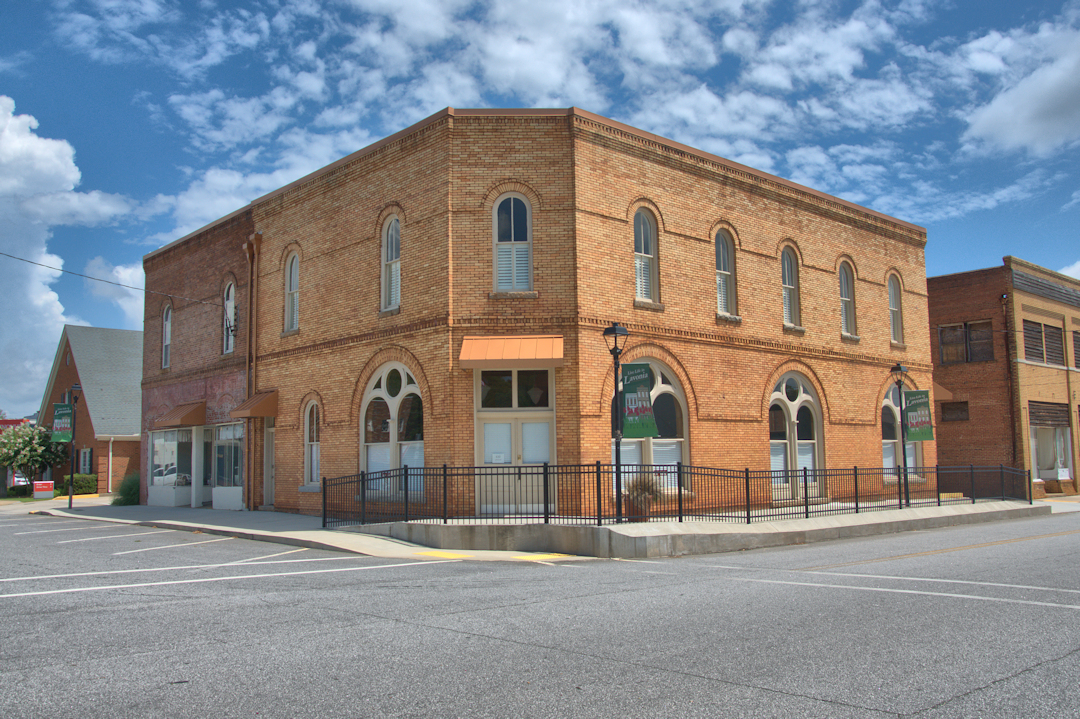
Lavonia was established in 1880 as a stop on the Elberton Air-Line Railroad. Its strategic location enabled the town to become a center for trade and transport in Franklin County. As the community expanded, Vickery Street emerged as one of its most prominent residential thoroughfares. Wealthy merchants, physicians, and local leaders built homes along this corridor, showcasing both their social standing and the economic optimism of the era.
Unlike many rural Georgia towns that lost momentum after the decline of railroads, Lavonia continued to grow steadily into the 20th century. Vickery Street reflects this trajectory. It became the symbolic heart of Lavonia’s transformation, representing not just economic growth but the cultural and civic development of the area.
A Living Architectural Archive
One of the most compelling reasons for the Vickery Street Historic District’s national recognition is its architectural variety. The district features well-preserved examples of Late Victorian, Queen Anne, Craftsman, and even early American Foursquare styles, offering a timeline of evolving design preferences from the 1880s to the 1930s.
Many homes within the district maintain their original facades, porches, chimneys, and window designs. The level of craftsmanship, particularly the detailed woodwork and masonry, speaks to the pride and investment of Lavonia’s early builders. Some homes also incorporate decorative concrete block elements, a building trend that briefly flourished in the early 20th century but remains rare in residential neighborhoods.
These houses were often constructed by local tradespeople using locally sourced materials. As a result, they embody not just national architectural movements but the regional character of northeast Georgia.
Community and Cultural Value
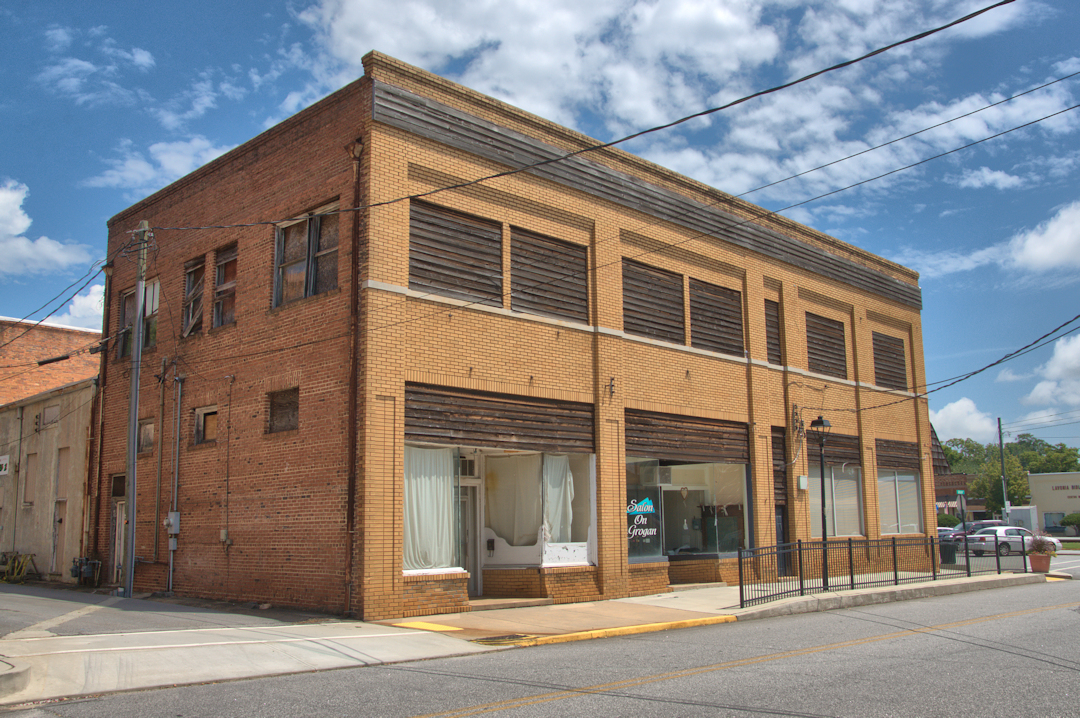
The historical importance of the district extends beyond architectural aesthetics. Vickery Street functioned as a microcosm of Lavonia’s social dynamics. The proximity of homes belonging to business owners, teachers, clergy, and craftsmen shows the early foundations of a diverse and interdependent community.
Churches within or adjacent to the district played significant roles in shaping community life, offering religious, social, and educational services. Oral histories collected from residents indicate that Vickery Street was a gathering place for parades, public speeches, and local celebrations. It was here that Lavonia’s emerging civic identity was most visible, fostering a sense of pride and connectedness among residents.
The National Register and Preservation Efforts
The official inclusion of Vickery Street on the National Register of Historic Places was a result of decades of grassroots efforts by local historians, residents, and city leaders. This designation not only recognizes the district’s historical value but also opens up opportunities for federal and state preservation grants.
Local ordinances now help regulate renovations and new construction within the district to maintain architectural integrity. The preservation of these buildings contributes to local education, tourism, and economic development, making Vickery Street a functional and vibrant part of modern Lavonia.
Economic Impact and Revitalization
In recent years, Lavonia has begun to realize the economic benefits of historical preservation. As interest in small-town tourism grows, districts like Vickery Street offer unique opportunities for heritage-focused businesses, bed-and-breakfast accommodations, and guided walking tours.
Several former residences on Vickery Street have been converted into boutique law offices, art studios, and specialty shops that cater to both locals and visitors. These adaptive reuse projects are bringing new life to the area while preserving its historical character. The rise in foot traffic has also benefited adjacent neighborhoods and businesses in Lavonia’s small but dynamic downtown core.
Additionally, local schools and civic organizations frequently organize events around the district’s history. From student-led walking tours to community clean-up days, Vickery Street has become a centerpiece of civic pride and intergenerational learning.
A Model for Other Small-Town Historic Districts
The story of Vickery Street can serve as a model for other small towns in Georgia and the American South. It demonstrates how historical preservation, when approached with community involvement and long-term vision, can serve both cultural and economic goals.
Importantly, Lavonia’s success with the Vickery Street Historic District has inspired broader conversations about preservation across the region. Towns in nearby Hart, Stephens, and Madison counties have sent delegations to study Lavonia’s zoning laws, public-private partnerships, and marketing strategies.
The Lavonia Chamber of Commerce and the city’s historical society have collaborated on brochures and digital media projects that position Vickery Street as an anchor of heritage tourism in northeast Georgia. These initiatives aim to attract a new generation of visitors who are seeking authentic experiences beyond the typical tourist circuit.
Looking Ahead: Challenges and Opportunities
Like many historic districts, Vickery Street faces ongoing challenges. Rising property values can sometimes lead to gentrification, potentially pricing out long-term residents. There is also the delicate balance between preserving the past and allowing for modern needs, such as updated infrastructure and accessibility standards.
However, local leaders have demonstrated a strong commitment to managing these issues transparently. Ongoing community forums and surveys ensure that residents have a voice in shaping the future of the district.
Efforts are also underway to digitize historical records related to Vickery Street. This includes interactive maps, oral history archives, and a potential podcast series featuring long-time residents, historians, and preservationists.
Architectural Highlights
The district showcases a variety of architectural styles, with notable examples including:
- Knox-Maret-Tribble-Roberts Residence: A quintessential Queen Anne-style home featuring a three-story tower adorned with fish-scale shingles and a conical roof, decorative bargeboards, and an ornate porch.
- Dr. T.W. Freeman House: Dating back to the 1880s, this residence belonged to Dr. Freeman, a local physician and drug store owner, highlighting the integration of professional and domestic spaces in historical Lavonia.
- Vickery House: Built around 1900–1905 for C.W. Vickery, a prominent merchant and founder of the Vickery Bank, this house exemplifies the economic growth and architectural trends of the period.
Read Also: The Lavonia Cotton Mill: A Hidden Gem of Georgia’s Industrial Heritage
Community Planning and Development
The district’s layout reflects thoughtful community planning, with residential structures interspersed with two churches, a commercial building, and a unique house constructed from decorative concrete blocks. This mix illustrates the multifaceted nature of early 20th-century small-town life in Georgia.
Preservation Efforts
Recognizing the importance of preserving its historical assets, the City of Lavonia initiated efforts in the early 1980s to designate several districts, including Vickery Street, on the National Register of Historic Places. These efforts ensure that any alterations to the exterior appearances of properties within the district undergo design review to maintain historical integrity.
Conclusion
The Vickery Street Historic District serves as a living museum, offering residents and visitors alike a window into Lavonia‘s architectural and cultural past. Through continued preservation and community engagement, this district remains a cherished landmark, embodying the town’s commitment to honoring its history while embracing the future.