Table of Contents
Nestled in the heart of Lavonia, Georgia, the Lavonia Cotton Mill stands as a testament to the town’s rich industrial past. Established in 1901 by Mack Crawford and Tom McCallister, the mill was a significant contributor to the local economy, producing twist yarns with its 4,992 spindles.
Historical Significance

The Lavonia Cotton Mill was more than just a manufacturing facility; it was the nucleus around which the town’s community revolved. Located strategically with the railroad line on its west side, the mill facilitated efficient transportation of goods. To the east, a mill village was constructed to house the labor force, fostering a close-knit community of workers and their families.
In 1924, the mill was incorporated with notable stockholders, including J. M. Batson, B. F. Chappelear, W. F. Jackson, Wade Cothran, and W. S. Griffin. By 1930, M. C. King of Hendersonville, North Carolina, acquired the plant, marking a new chapter in its operational history.
Architectural Features
The mill’s architecture reflects the industrial design sensibilities of the early 20th century. Its robust brick construction, large windows, and expansive interiors were designed to accommodate heavy machinery and provide ample natural light, enhancing the working conditions for its employees.
Community Impact
When the Lavonia Cotton Mill was established in the early 1900s, Lavonia was still a small, primarily agrarian community. The mill acted as a magnet that drew people into the town — not just workers, but also entrepreneurs, educators, religious leaders, and their families. The mill needed labor, and that labor needed homes, schools, stores, and infrastructure. Thus, the establishment of the mill catalyzed the transformation of Lavonia from a sleepy railroad stop into a thriving industrial town.
- Mill Village Creation:
The company built an entire mill village just east of the plant. This village wasn’t merely housing; it was a complete ecosystem. Workers lived in modest but well-structured company homes and had access to communal resources like:- Company-sponsored general stores (often called “company commissaries”)
- Churches (frequently funded by the mill owners)
- Schools for mill workers’ children
- Small community gardens and recreational spaces
The design encouraged a tight-knit, self-sufficient community — a hallmark of Southern mill towns in the early 20th century.
Employment and Economic Stability

At its peak, the Lavonia Cotton Mill provided hundreds of jobs in the region. It employed men, women, and even teenagers in various roles ranging from spinners and weavers to maintenance and clerical work. The steady paycheck that the mill offered was a significant upgrade from the unpredictable earnings of seasonal farming, which dominated the rural South at the time.
- Financial Empowerment:
For many families, the mill meant financial stability and upward mobility. Households could now afford electricity, indoor plumbing, and in some cases, even cars. Over time, this allowed Lavonia to transition from subsistence living to a modest middle-class economy. - Supporting Small Businesses:
The ripple effects of the mill’s operations extended into the local economy. Blacksmiths, carpenters, grocers, barbers, and schoolteachers all found a reliable customer base among mill workers and their families. The town’s main street developed around this ecosystem, and the local economy flourished with ancillary businesses.
Women and Workforce Inclusion
The Lavonia Cotton Mill was also pivotal in creating work opportunities for women. At a time when women’s work was often relegated to the domestic sphere, the mill opened its doors to female spinners, weavers, and quality control workers.
- Women’s Roles in the Mill Economy:
- Typically employed in the textile room, spinning yarn or operating looms
- Provided supplementary income to households, empowering women financially
- Some women became supervisors and team leaders, a rare responsibility in that era
This helped shape early conversations about gender equality in the workforce in the South, even if informally.
Education and Social Development
The company’s influence extended into education. Many mill towns, including Lavonia, operated schools funded either by the mill itself or by local government contributions made possible through mill taxation and donations.
- Mill Village Schools:
- Provided basic education to children of workers
- Offered vocational training, preparing young men and women for careers in textile work or other technical professions
- Occasionally hosted adult literacy programs
Education helped ensure that even younger generations who didn’t continue in the mill trade had skills to find jobs or go on to higher education.
Cultural Identity and Shared Heritage
Over time, the mill evolved into more than just a workplace — it became the cultural heart of Lavonia.
- Community Events:
The company would host holiday events, 4th of July picnics, and Christmas parades. Workers and their families often described a sense of belonging and camaraderie that defined “the mill village way of life.” - Religious and Spiritual Life:
Churches established within the mill village were typically interdenominational, but deeply rooted in Methodist and Baptist traditions. These churches weren’t just places of worship — they were gathering places where life milestones like baptisms, weddings, and funerals were celebrated and honored. - Sports and Recreation:
Local baseball teams, usually organized by the mill’s recreation department, were a point of pride and competition between mill towns across Georgia. These events created a sense of unity, and even identity, that transcended work hours.
Challenges and Long-Term Effects
Despite its many benefits, life centered around the mill wasn’t always idyllic.
- Dependency on a Single Employer:
Lavonia’s economic health was closely tied to the mill’s success. When the textile industry began to decline in the U.S. due to globalization and automation in the 1970s and 1980s, many mill towns suffered, including Lavonia. - Labor Exploitation and Strikes:
Like many early 20th-century mills, Lavonia experienced its share of labor unrest. Though records of strikes are sparse, oral histories suggest that wage disputes and unsafe working conditions were ongoing challenges. - Environmental Impact:
Early mills, including Lavonia’s, discharged waste into nearby streams without treatment. While regulations have since improved, the environmental scars remain a part of the town’s history.
Modern-Day Legacy
Today, the descendants of mill workers still live in Lavonia. Some of the original mill village homes are preserved, either privately owned or restored as part of historical preservation efforts. The spirit of the mill lives on in:
- Local oral histories
- Lavonia museums and historical societies
- Annual community events that pay homage to the town’s industrial roots
Efforts are underway by local preservation groups to repurpose the old mill building into a community space, potentially a museum or event center, that would serve as both an educational hub and a tribute to the generations who built Lavonia with their hands and hard work.
The Lavonia Cotton Mill wasn’t just a factory — it was the beating heart of a community. It wove more than cotton; it wove lives, stories, friendships, and the enduring identity of Lavonia itself. Its legacy continues to shape the town’s character today, reminding us that small towns often hold the most profound stories — if we take the time to listen.
Preservation Efforts
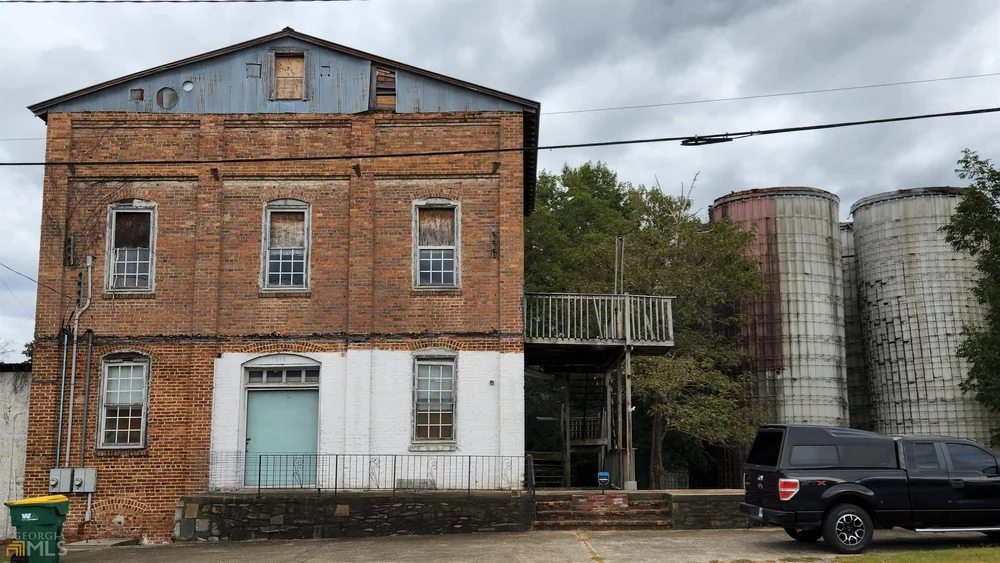
Recognizing its historical and cultural significance, efforts have been made to preserve the Lavonia Cotton Mill. The site has been documented in the National Park Service’s archives, highlighting its importance in Georgia’s industrial heritage.
Read Also: The Great Legacy of Lavonia Speedway: Roaring Through Time
Modern-Day Relevance
Today, the Lavonia Cotton Mill serves as a poignant reminder of the town’s industrious past. While it no longer operates as a manufacturing facility, the structure stands as a symbol of resilience and community spirit. Its preservation offers educational opportunities, allowing future generations to learn about the region’s industrial evolution.
Conclusion
The Lavonia Cotton Mill is more than a relic of the past; it’s a cornerstone of Lavonia’s identity. Its history encapsulates the town’s journey from a burgeoning industrial hub to a community that values its heritage. By preserving such landmarks, Lavonia not only honors its past but also enriches its cultural tapestry for future generations.