Table of Contents
Executive Summary
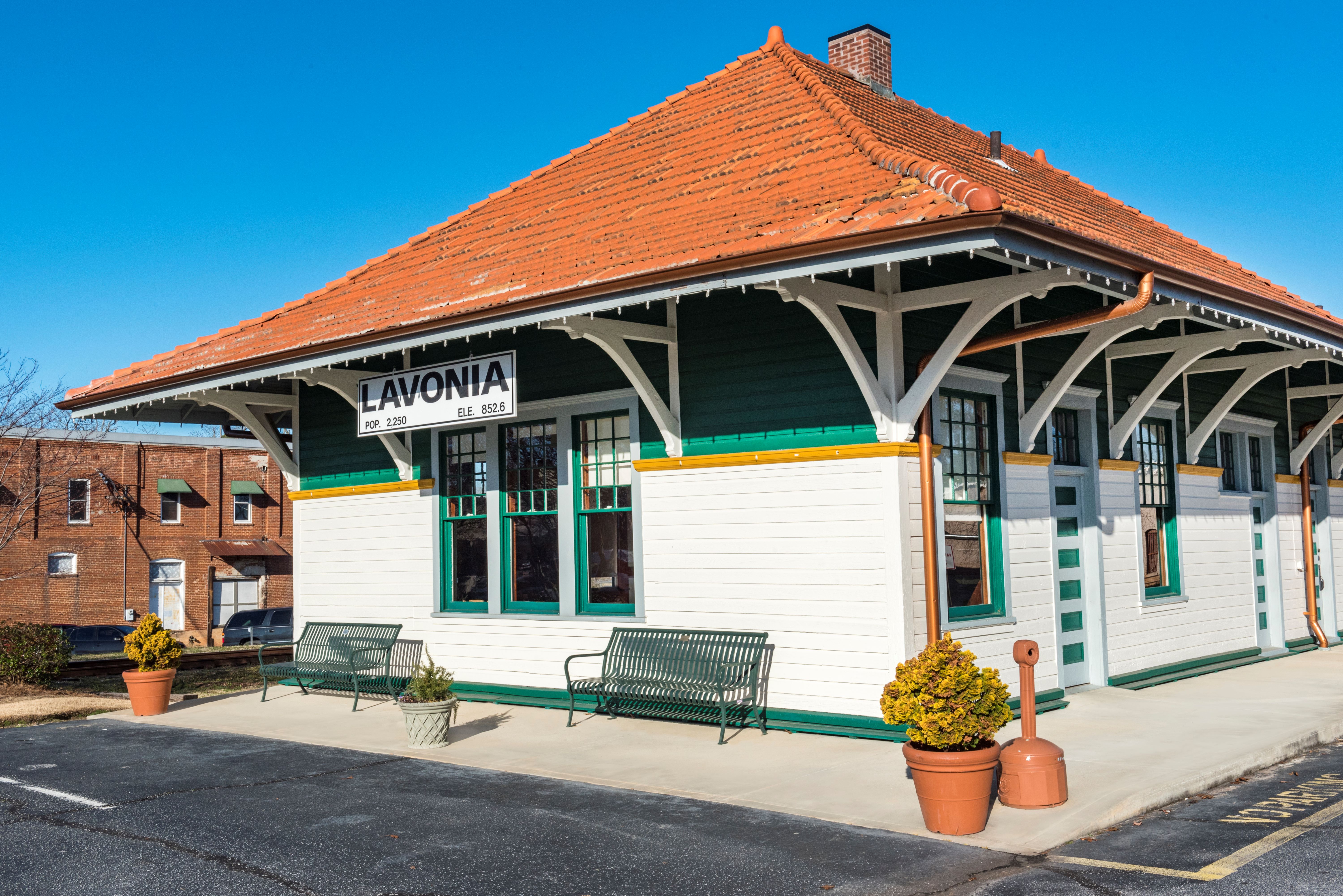
The revitalization of the Historic Lavonia Train Depot in Lavonia, Georgia, represents a powerful case study in historic preservation, economic development, and community engagement. Built in 1911 as a key point along the Elberton-Airline Railroad, the depot served as a bustling hub for travelers and goods in the early 20th century. After years of decline, it was brought back to life in 2009 through collaborative efforts by local government, regional commissions, and federal agencies. Today, the depot serves as a welcome center, museum, event space, and administrative hub. Its transformation has sparked tourism, boosted local business, and preserved Lavonia’s rich cultural identity.
Introduction to Lavonia, Georgia
Geographic and Demographic Context
Lavonia is a small city located in Franklin and Hart counties in northeastern Georgia. As of the 2020 census, its population was 2,143, covering just 4.53 square miles. Despite its modest size, Lavonia holds a strategic location along Interstate 85, which connects it to major cities like Atlanta (94 miles southwest) and Greenville, South Carolina (53 miles northeast). This prime location supports both local commerce and tourism.
Historical Foundations
Founded in 1880, Lavonia grew rapidly around a new train station on the Elberton-Airline Railroad. The town was named after Lavonia Hammond Jones, the wife of a railroad official, reflecting its deep connection to the railway industry. The depot was the heart of town life, facilitating passenger and freight traffic and acting as a symbol of progress and modernity for the community.
The Historic Train Depot
Architectural Features and Original Use
Constructed in 1911, the Lavonia Train Depot was built in a traditional early-20th-century style, featuring a raised freight platform, spacious waiting area, ticket office, and overhanging eaves to shelter waiting passengers. It was constructed with locally sourced brick and timber, reflecting the craftsmanship of its era.
Decline and Abandonment
By the late 20th century, like many small-town stations across America, the Lavonia depot experienced a decline in use. Passenger service ceased, and freight services dwindled until operations eventually stopped altogether. By the 1980s, the building was in a state of neglect, unused and deteriorating, though still structurally sound.
The Revitalization Initiative
Stakeholders and Partnerships
In 2009, the depot’s restoration began through a grant-driven initiative involving multiple stakeholders:
- City of Lavonia and Franklin County – Provided local leadership and funding.
- Appalachian Regional Commission (ARC) – Supplied a $120,000 grant.
- Tennessee Valley Authority (TVA) – Participated in funding and oversight.
- Georgia Mountains Regional Commission (GMRC) – Offered technical and historical preservation expertise.
Funding and Budget
The total cost of the initial restoration project was approximately $240,000, combining the ARC grant with local contributions. In 2025, the depot’s impact led to an additional $1 million grant to improve Lavonia’s downtown streetscape and pedestrian infrastructure.
Restoration Phases
- Structural Rehabilitation: This phase involved roof replacement, insulation upgrades, foundation reinforcement, and exterior brickwork.
- Interior Restoration: Original wood finishes were exposed and refinished, while modern elements not in line with historical aesthetics were removed.
- Adaptive Reuse: The space was repurposed for public service offices, a small museum, and community gathering spaces.
The Modern-Day Role of the Depot

Welcome Center for Travelers
The depot now operates as a Welcome Center, greeting visitors with brochures, maps, and local guides. It offers free Wi-Fi, restrooms, and a gift shop that features crafts from local artisans.
Railroad Museum
One section of the depot is now home to a railroad museum, which includes:
- Original lanterns and ticket stubs
- Restored seating and signage
- Interactive displays explaining the region’s rail history
Community Event Space
The depot has become a cultural hub, hosting:
- Art exhibits
- Local concerts and poetry readings
- City meetings
- Private events like weddings and receptions
Administrative Offices
The restored depot houses the Main Street Program office, which manages downtown development and beautification. Additionally, city administrative offices are located here, providing a daily civic function that ensures the depot remains in use.
Community and Economic Impact
Boost to Local Tourism
Since its restoration, the depot has significantly increased downtown foot traffic. Tourists passing through on Interstate 85 often stop at the Welcome Center and explore nearby shops and restaurants. This has led to a 20% increase in retail sales downtown.
Support for Small Businesses
Programs operated out of the depot support downtown merchants through:
- Façade improvement grants
- Business mentorship
- Promotional events such as Depot Days and holiday festivals
Infrastructure Improvements
Following the success of the depot’s transformation, the city received additional grants to:
- Rebuild sidewalks with ADA-compliant ramps
- Install pedestrian-friendly crosswalks
- Improve lighting and wayfinding signage
Civic Pride and Heritage Preservation
The depot has helped solidify Lavonia’s identity as a town that values its past while investing in its future. Community surveys indicate strong resident support for historical preservation, with many locals volunteering during depot events and clean-up days.
Read Also: Leila Ross Wilburn’s Kidd House: A Craftsman Masterpiece by Georgia’s Pioneering Female Architect
Future Outlook
Potential for Commuter Rail
Local leaders are exploring the feasibility of a heritage rail line or commuter route linking Lavonia to larger cities. The restored depot could function as a departure and arrival point for regional rail tourism.
Eco-Tourism Opportunities
With nearby access to Lake Hartwell, the Appalachian foothills, and regional hiking trails, the depot is well-positioned to be a hub for eco-tourism. Plans are underway to integrate trailhead signage and bike rentals from the depot.
Ongoing Community Engagement
Programs in development include:
- Depot Days: A quarterly festival featuring food, music, and history exhibits
- School Field Trips: Hands-on education programs for local students
- Oral History Project: Residents contribute stories that will be archived and shared at the museum
Conclusion
The Historic Lavonia Train Depot is more than just a beautifully restored building — it is a symbol of Lavonia’s commitment to its heritage and a catalyst for future growth. Through creative partnerships, strategic funding, and a strong vision, Lavonia has shown how small towns can leverage their history to create modern economic and cultural assets. The depot stands as a testament to the power of community investment and the enduring relevance of historic places in today’s society.