Table of Contents
Introduction
Tucked away on Hartwell Road in Lavonia, Georgia—a city of just under 2,000 residents—stands the Kidd House, a 1919 bungalow masterpiece by Leila Ross Wilburn. As one of the most elaborate examples of Craftsman design in Franklin County, it showcases Wilburn’s signature blend of functionality and Southern charm, from its welcoming wide porch to its finely detailed built-ins. Beyond its architectural beauty, the Kidd House embodies a significant chapter in American social history: at a time when few women practiced architecture professionally, Wilburn built a prolific career that reshaped domestic design across the Southeast.
Leila Ross Wilburn: Trailblazer in Southern Architecture
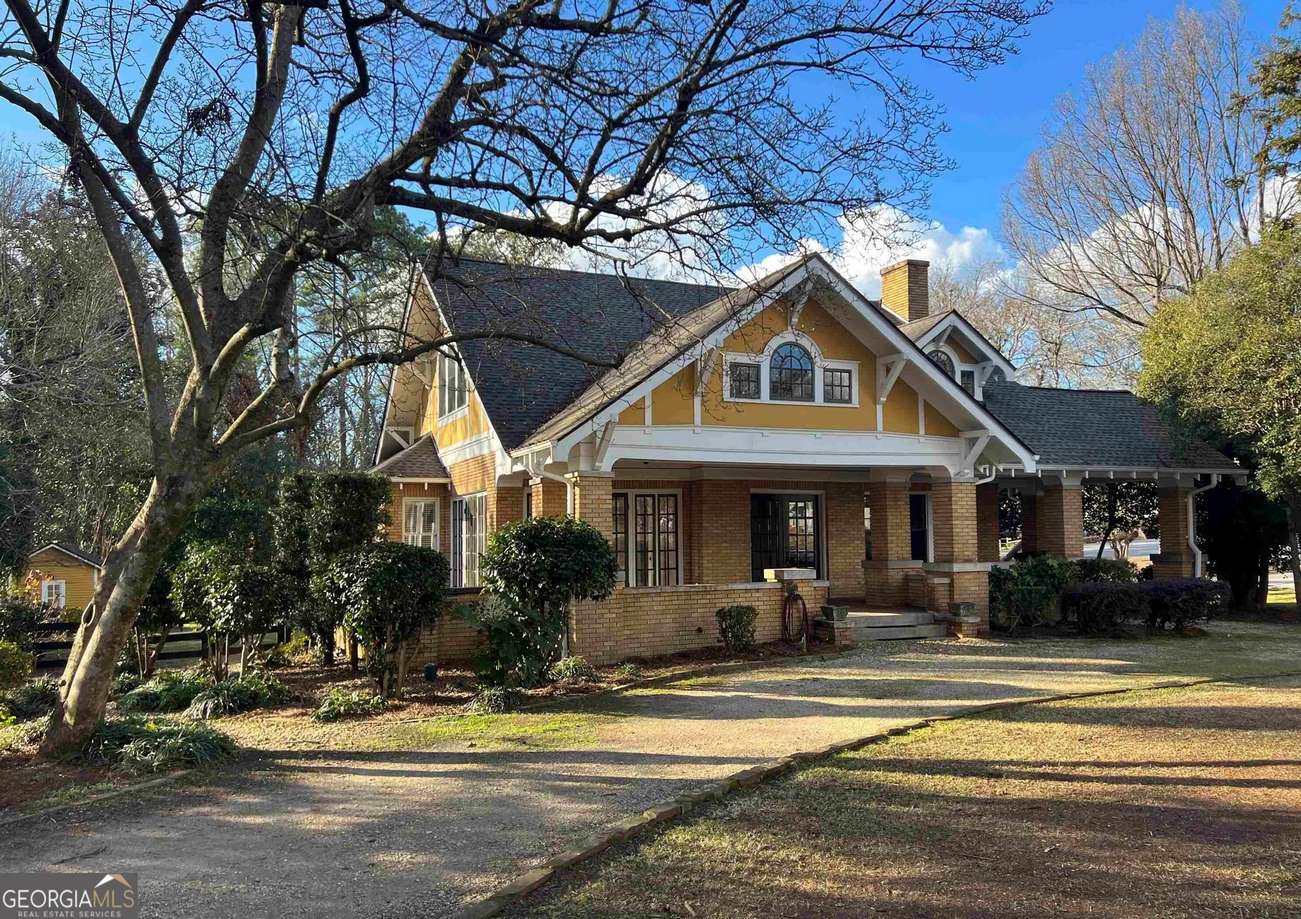
Before delving into the Kidd House specifically, it’s important to appreciate the remarkable career of Leila Ross Wilburn herself—a true trailblazer whose methods reshaped residential architecture across the Southeast. Wilburn was born in Macon, Georgia, in 1885 and moved with her family to Atlanta amid the 1895 economic depression, where she later attended Agnes Scott Institute and took private drawing lessons—an unusual path for women at the time. After graduating in 1904, she embarked on a self-directed study tour of Arts & Crafts–inspired homes nationwide, amassing a reference library of some 5,000 photographs that would inform her designs throughout her five-decade career. In 1906 she became only the second woman in Georgia to apprentice formally in an architectural firm, joining B. R. Padgett & Son as a draftsman, where she honed her technical skills and supervised the design of notable residences like the YMCA gymnasium at Georgia Military Academy.
Early Life and Education
Leila Ross Wilburn was the eldest of five children born to Joseph Gustavus Wilburn and Leila Ada Ross, herself a Philadelphia Academy of Fine Arts alumna, fostering an early appreciation for the arts in her daughter. When her family relocated to Atlanta in 1895, Wilburn seized the opportunity to enroll at the Agnes Scott Institute from 1902 to 1904, where she studied liberal arts, sciences, and privately tutored in architectural drafting—a curriculum almost unheard of for women then.
Apprenticeship and Early Career
Upon graduation, Wilburn spent two years apprenticing with B. R. Padgett & Son (1906–1908), becoming one of only two female architects in Georgia alongside Henrietta Dozier. Her first major assignment—designing a three-story YMCA gymnasium—demonstrated her ability to manage complex projects and cemented her reputation within Atlanta’s male-dominated profession.
Plan Books and Business Model
In 1909 Wilburn opened her own firm, strategically locating her office in the Peters Building among realtors and developers rather than with traditional architects, which facilitated partnerships with contractors who purchased her designs in bulk. Rather than relying solely on custom commissions, she pioneered the plan-book model for middle-class clients—publishing nine volumes between 1914 and 1926 under titles like Southern Homes and Bungalows—and sold stock plans for $25–$40, democratizing architectural expertise. Her books emphasized porches, sleeping verandas, and climate-adapted living spaces tailored to Southern lifestyles, solidifying her status as the only female plan-book architect of her era.
Architectural Style and Innovations

Wilburn’s designs span Craftsman bungalows, Georgian Revival residences, ranch houses, and multi-family dwellings, but are unified by a focus on functionality, craftsmanship, and harmony with the environment. She favored local materials—pecky cypress woodwork, buff brick, and terra-cotta accents—and incorporated passive climate controls like deep porches and cross-ventilation to suit the Southeast’s heat and humidity. Her credo—“Being a woman I feel that I may know the little things that should go in it to make living in the house a pleasure to the entire family”—underscored her user-centered approach.
Legacy and Recognition
Over more than fifty years, Wilburn designed at least eighty houses in Atlanta alone, plus dozens of apartment buildings and commercial structures across five states, making her arguably Georgia’s most prolific architect. In 1961 she was admitted to the Society of American Registered Architects—a notable achievement given the gendered language of membership certificates at the time. Posthumously, she was inducted into the Georgia Women of Achievement in 2003, and the annual Leila Ross Wilburn Award—bestowed by the City of Decatur—honors those who advance preservation and design excellence in her name. The Leila Ross Wilburn Papers at the Atlanta History Center preserve over 300 of her original house plans, ensuring that her pioneering vision continues to inform architects and historians alike.
Commissioning and Construction of the Kidd House
In 1919, C.A. Kidd Sr.—a prominent Lavonia businessman—commissioned Wilburn to design his family residence on a four-acre lot adorned with a mature pecan grove. The resulting bungalow reflected a $10,000 investment, substantial for the era, and demonstrated both Kidd’s civic stature and Wilburn’s mastery of site-sensitive planning. Local masons employed buff-brick veneer and crafted terra-cotta details, while the interior featured native pecky cypress woodwork, a hallmark Wilburn material choice for Southern durability and elegance.
Read Also: Navigating Community and Commerce: The Lavonia Boat Expo’s Big Role in Revitalizing Lavonia, Georgia
Architectural Analysis: Craftsman Ideals
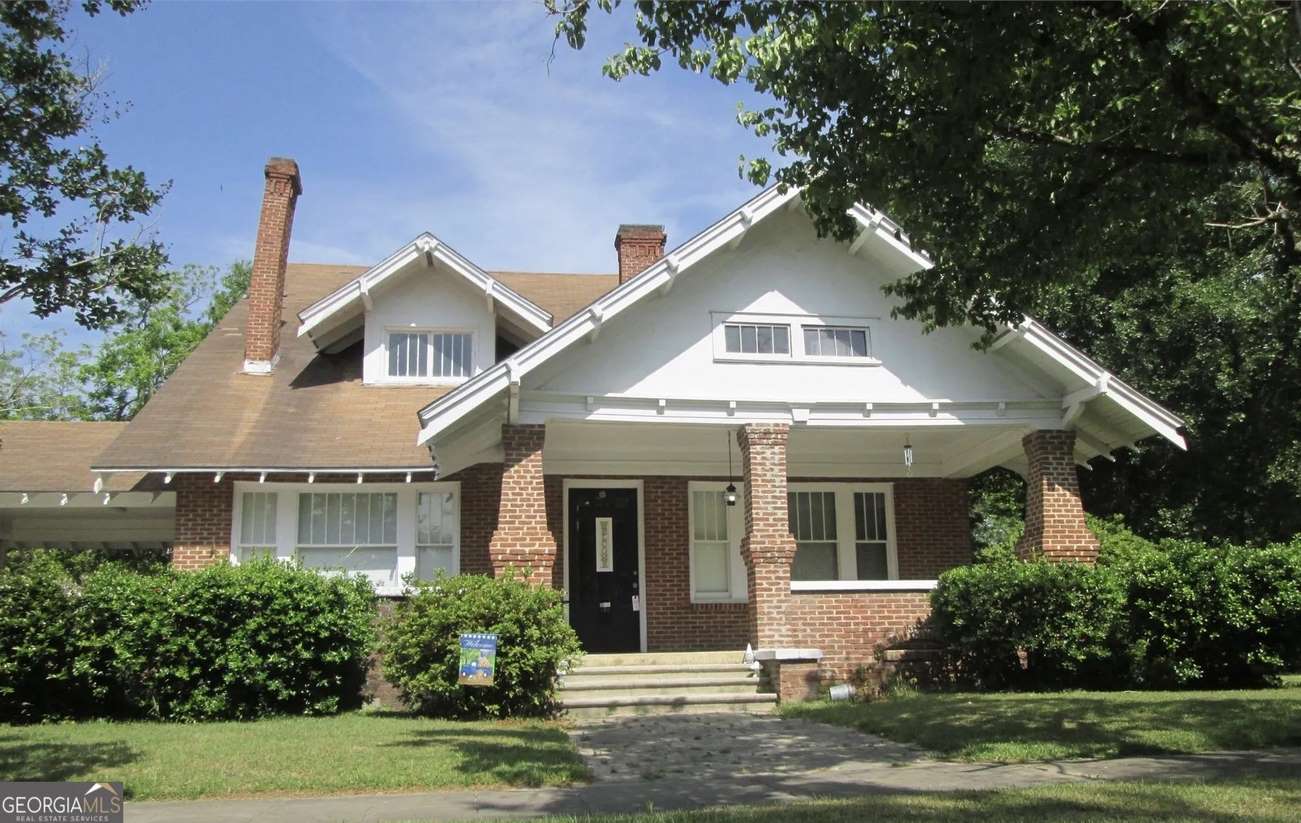
Exterior Features
- Low-pitched, gabled roof with wide eaves and exposed rafters, creating a protective canopy over the wraparound porch.
- Tapered porch columns set on brick piers, lending both solidity and a human-scaled warmth to the entryway.
Interior Details
- Built-in cabinetry and window seats that maximize storage and daylight, embodying Wilburn’s “little things” philosophy: architecture that delights everyday living.
- Original hardwood floors and leaded-glass windows, whose intricate patterns diffuse light and accentuate the bungalow’s craftsmanship.
Site Integration
- Pecan grove orientation, where formal plantings and large hardwoods frame the house and create a living windbreak—an early example of passive climate control.
Historical Recognition and Preservation
On September 1, 1983, the Kidd House was officially listed on the National Register of Historic Places, cited “as one of the most elaborate examples of Craftsman/Bungalow design in the area” and for its association with both Wilburn and the Kidd family. In recent years, preservation efforts—led by the Franklin County Historical Society and the Georgia Trust for Historic Preservation—have addressed masonry repointing, roof stabilization, and ADA-compliant access, ensuring that the house remains both authentic and welcoming to visitors.
Community Role and Cultural Impact
Today, the Kidd House serves as an anchor for heritage tourism in downtown Lavonia. Guided tours during the annual Franklin County Heritage Festival draw architecture enthusiasts and school groups alike, while partnerships with Agnes Scott College bring students onsite for workshops in historic-preservation techniques. This active community engagement underscores how a single historic property can foster local pride, economic development, and intergenerational learning.
Conclusion & Call to Action
The Kidd House exemplifies how Lavonia honors its past while inspiring future generations. As both a showcase of Wilburn’s historic contributions and a vibrant community asset, it invites every visitor to step into a century-old narrative of design, culture, and civic pride. Plan your visit, join a guided tour, or support ongoing preservation—and help ensure that this Craftsman masterpiece continues to tell its story for another hundred years.