Table of Contents
Introduction
Nestled in the northeastern part of Georgia, Lavonia is a small city that may seem modest at first glance. However, beneath its quiet surface lies a remarkable network of waterways that have shaped its natural environment, economy, and community life for centuries. The rivers and lakes around Lavonia, particularly the Broad River, play an indispensable role in supporting local ecology, offering recreational opportunities, and influencing agricultural practices. This article explores these hidden waterways in detail, revealing their significance and the efforts underway to protect and enjoy them sustainably.
Overview of Lavonia’s Geography and Water Bodies
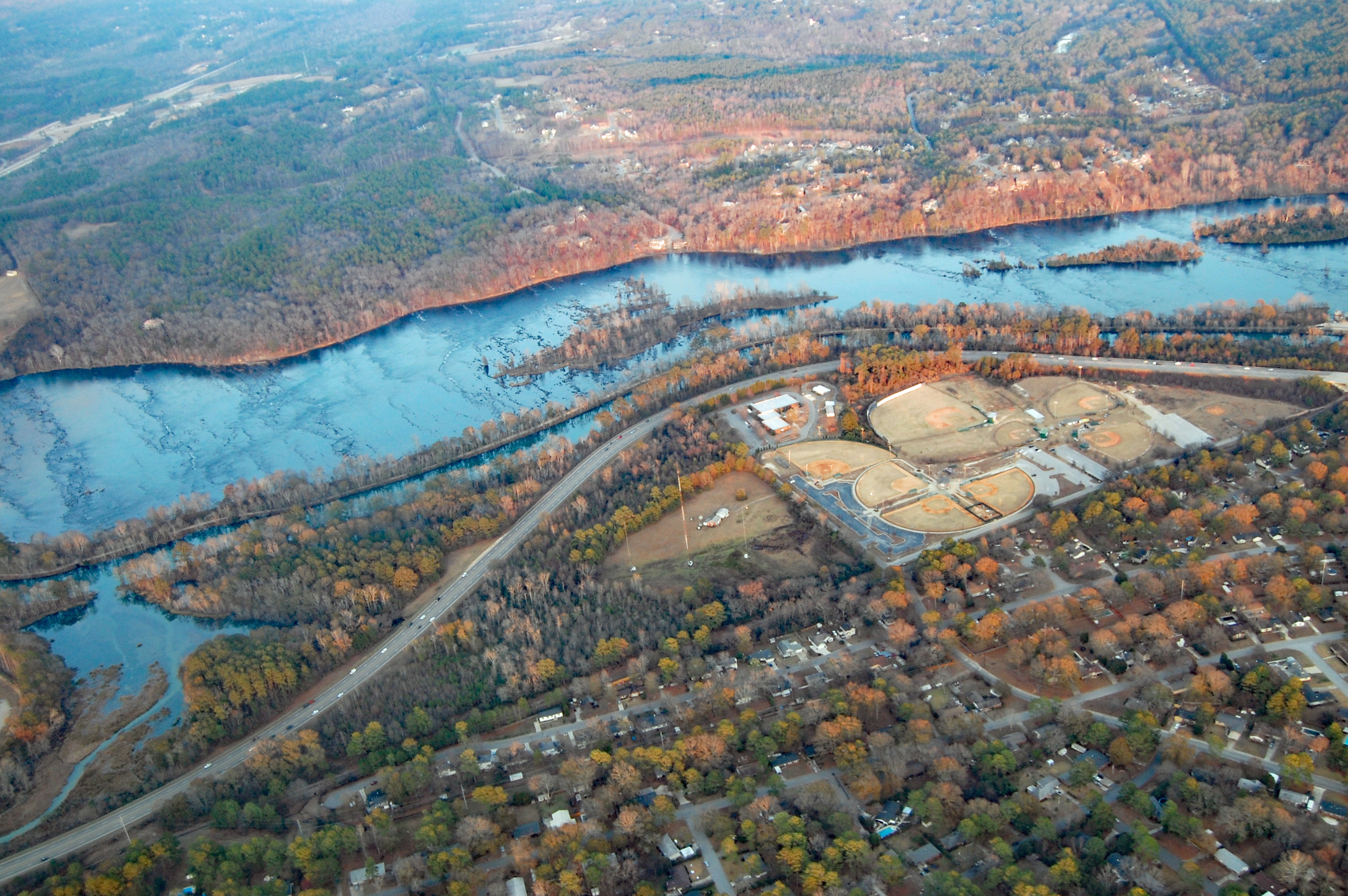
Lavonia is located near the foothills of the Appalachian Mountains, giving it a unique topography marked by rolling hills, lush forests, and, notably, an abundance of freshwater resources. The Broad River is the most prominent waterway flowing near Lavonia, alongside smaller streams and several lakes that contribute to the area’s hydrological system.
The Broad River originates in the mountains of North Carolina, flowing south through Georgia before joining the Savannah River. This river system supports diverse ecosystems and serves as a natural resource for the surrounding communities.
Besides the Broad River, Lavonia and its surrounding areas boast several smaller lakes and ponds that provide essential habitats for wildlife and serve as local recreation spots. These water bodies are integral to Lavonia’s landscape, influencing everything from wildlife patterns to human settlement.
Ecological Significance of the Broad River and Nearby Lakes

The Broad River and surrounding lakes harbor a wealth of biodiversity. The river is home to various fish species, freshwater mussels, amphibians, and birdlife that rely on its clean, flowing waters. Native fish such as bass, catfish, and sunfish thrive here, making it a popular spot for anglers.
The riparian zones along the riverbanks support plant species that prevent erosion, filter pollutants, and provide critical habitat for animals. These natural buffers contribute to water quality and help maintain the delicate balance of aquatic ecosystems.
In the lakes and ponds, aquatic plants provide food and shelter for a variety of organisms, including turtles, frogs, and migratory birds. Seasonal changes bring unique wildlife interactions, attracting nature enthusiasts and biologists alike.
Historical Role of Waterways in Lavonia’s Development
Historically, Lavonia’s waterways were pivotal in shaping its early economy and settlement patterns. The Broad River served as a transportation route and power source for mills that processed lumber and grain. Early settlers relied on these rivers for fresh water, fishing, and irrigation.
As Lavonia grew, the waterways continued to support farming and small industries, creating a link between natural resources and community development. The proximity to water also influenced the city’s location, providing strategic advantages for trade and sustenance.
Recreational Opportunities: Fishing, Boating, Hiking, and More
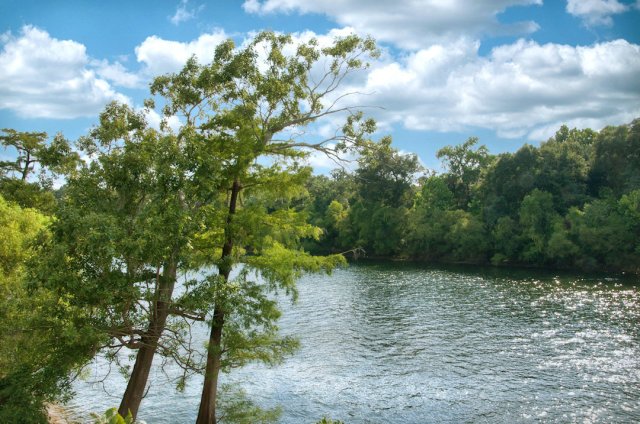
Today, Lavonia’s waterways offer a wide range of recreational activities that attract both locals and visitors. Fishing is especially popular, with the Broad River and nearby lakes providing abundant spots for catching bass, catfish, and other freshwater fish.
Boating and kayaking on the Broad River allow people to explore scenic stretches of the waterway, enjoy wildlife spotting, and experience the tranquility of nature. Several local outfitters and parks offer equipment rentals and guided tours to make these activities accessible.
Hiking trails near Lavonia often run alongside or cross waterways, providing picturesque views and opportunities to learn about local ecology. Birdwatching, photography, and picnicking are other popular pastimes that connect residents to the water and surrounding landscape.
Community Conservation and Environmental Efforts
Recognizing the vital importance of these waterways, local groups and government agencies in Lavonia have launched several conservation initiatives. Efforts include water quality monitoring, habitat restoration, and pollution prevention programs.
Community clean-up events and educational workshops aim to raise awareness about protecting waterways from litter, runoff, and other threats. Partnerships with environmental organizations help support sustainable practices among farmers, businesses, and residents.
Moreover, there are ongoing projects to restore native vegetation along riverbanks, reduce erosion, and enhance fish habitats. These initiatives contribute to the health of the Broad River watershed and promote biodiversity.
Waterways’ Influence on Agriculture and Local Economy
Lavonia’s waterways are not only ecological and recreational assets but also vital to local agriculture. Farmers depend on river and lake water for irrigation, especially during dry periods, helping to sustain crops and livestock.
The availability of freshwater supports diverse agricultural activities, from traditional row crops to small-scale organic farms. Healthy waterways also ensure soil quality and prevent land degradation, benefiting food production.
Economically, the natural beauty and outdoor opportunities related to the waterways support tourism, which in turn bolsters local businesses such as lodging, dining, and retail. Eco-tourism centered around fishing and boating contributes to Lavonia’s economic resilience.
Challenges Faced by Lavonia’s Waterways
Despite their importance, Lavonia’s waterways face several challenges. Pollution from agricultural runoff, urban development, and septic systems can degrade water quality, affecting both ecosystems and human health.
Climate change poses additional threats, including altered rainfall patterns, increased flooding, and droughts. These changes stress aquatic habitats and complicate water resource management.
Invasive species, such as certain aquatic plants and fish, threaten native biodiversity by outcompeting local species and disrupting ecosystem balance.
Local authorities and communities work actively to address these issues through regulations, education, and restoration efforts, but ongoing vigilance and innovation are essential.
How Residents and Visitors Can Engage Responsibly
Preserving Lavonia’s waterways requires collective effort. Residents and visitors can contribute by minimizing pollution, properly disposing of waste, using environmentally friendly products, and supporting local conservation programs.
Recreational users should follow guidelines to prevent habitat disturbance, such as avoiding sensitive areas, practicing catch and release in fishing, and reducing motorboat pollution.
Educational outreach and volunteer opportunities provide avenues for people to deepen their connection to the waterways and promote stewardship.
Future Outlook and Sustainability Initiatives
Looking forward, Lavonia’s focus on sustainable management of its waterways is crucial for balancing development with environmental integrity. Emerging technologies in water quality monitoring, sustainable agriculture, and eco-tourism hold promise.
Collaboration between government agencies, community organizations, and residents will drive innovative solutions to protect water resources amid changing climate and economic pressures.
By continuing to value and invest in its hidden waterways, Lavonia can secure a vibrant ecological, recreational, and economic future for generations to come.
Conclusion
Lavonia, Georgia’s hidden waterways are much more than scenic features; they are lifelines that nurture ecosystems, support agriculture, and enrich community life. From the broad currents of the Broad River to the tranquil lakes dotting the landscape, these waters connect nature and people in vital ways. Understanding their impact, appreciating their value, and committing to their preservation is essential for Lavonia’s ongoing vitality. Whether you’re a local resident, visitor, or nature enthusiast, exploring Lavonia’s waterways offers a unique window into the heart of this charming Georgia town.