Table of Contents
Introduction
Nestled along the shores of Lake Hartwell, Tugaloo State Park offers a serene escape into nature’s beauty. Located just outside Lavonia, Georgia, this park is a haven for outdoor enthusiasts and families seeking adventure and relaxation. With its rich history, diverse ecosystems, and a plethora of recreational activities, Tugaloo State Park stands as a testament to Lavonia’s commitment to preserving natural spaces for public enjoyment.
Historical Background

The name “Tugaloo” originates from a Cherokee word meaning “fork of a stream,” which refers to the geographic confluence where the Tugaloo and Seneca rivers meet to form the Savannah River. This area was historically inhabited by the Cherokee people, and before them, it was part of the territory of the Mississippian culture—an ancient Native American civilization known for its mound-building and complex society.
The original Tugaloo Town was located just north of the present-day park and served as a major Cherokee settlement. It was considered one of the principal towns in the lower Cherokee territory. These towns were not only centers of population but also hubs for political leadership, diplomacy, and trade. Tugaloo was frequently referenced in colonial records during the 17th and 18th centuries as a critical point of contact between Native Americans and European settlers.
Tugaloo During the Colonial and Revolutionary Periods
During the early 1700s, the region encompassing modern-day Lavonia and Tugaloo State Park became strategically important in the struggle between British, French, and Spanish colonial powers. The Cherokee initially allied with the British, with Tugaloo serving as a base of diplomatic engagement and military logistics.
Tensions increased over time, especially as more settlers encroached on Cherokee lands. Several treaties, including the Treaty of Augusta (1773) and the Treaty of Hopewell (1785), led to large cessions of Cherokee territory. The United States government promised to respect Cherokee sovereignty, but those promises were consistently violated.
These broken agreements eventually led to the forced removal of the Cherokee during the Trail of Tears in the 1830s. The impact of this removal is still felt today, as it dramatically altered the demographic and cultural landscape of northeast Georgia, including Lavonia and its surrounding counties.
Post-Removal: The Rise of Agriculture and Infrastructure
After the Cherokee were forcibly displaced, the area saw an influx of settlers, many of whom were farmers attracted by the fertile soil. Cotton became a dominant crop, and Lavonia, incorporated in 1880, quickly grew into a small agricultural town supported by a rail line that connected it to Atlanta and other trade centers.
The coming of the Southern Railway played a key role in shaping Lavonia’s economy and allowed goods, including agricultural produce and timber, to be transported easily. This increased accessibility helped solidify Lavonia’s position as an important rural town in northeast Georgia.
The Construction of Hartwell Dam and the Birth of Lake Hartwell
A major turning point in the region’s history came in the 1950s with the construction of the Hartwell Dam. This dam, built by the U.S. Army Corps of Engineers, created Lake Hartwell—one of the largest and most popular recreation lakes in the southeastern United States. The purpose of the dam was multifaceted: flood control, hydroelectric power generation, and economic development through tourism and recreation.
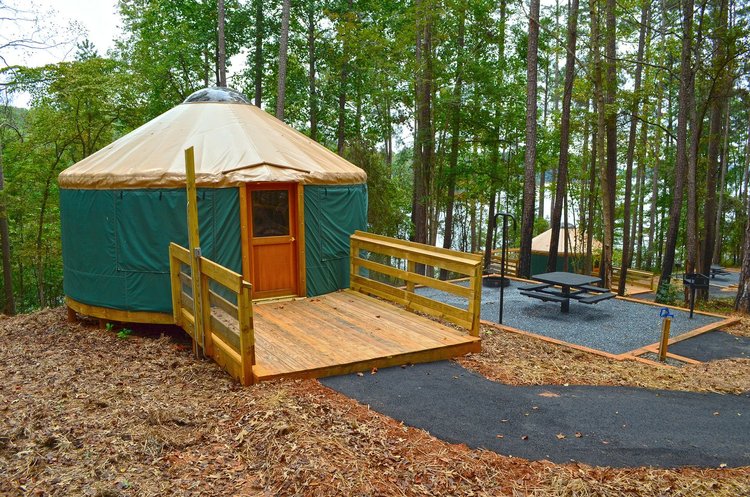
Tugaloo State Park was developed shortly afterward along the southern edge of Lake Hartwell, near the site of the old Tugaloo Town. It officially opened in 1954 and quickly became a popular destination for fishing, camping, and boating. Today, the park covers over 393 acres and features more than 50 campsites, including unique lakefront yurts.
Why Tugaloo State Park Matters Today

Tugaloo State Park is more than just a place for recreation. It is a living piece of history, a site that connects the region’s indigenous past, colonial struggles, industrial growth, and modern conservation efforts. Its historical significance, environmental importance, and community value make it a hidden gem in northeast Georgia.
Natural Features and Biodiversity
Tugaloo State Park spans over 393 acres, encompassing hardwood forests, rolling hills, and the expansive Lake Hartwell shoreline. The park is home to a variety of flora and fauna, including white-tailed deer, wild turkeys, and numerous bird species, making it a prime location for wildlife observation and photography. The diverse habitats within the park support a rich biodiversity, offering educational opportunities for nature enthusiasts and students alike.
Recreational Activities
Visitors to Tugaloo State Park can engage in a multitude of recreational activities:
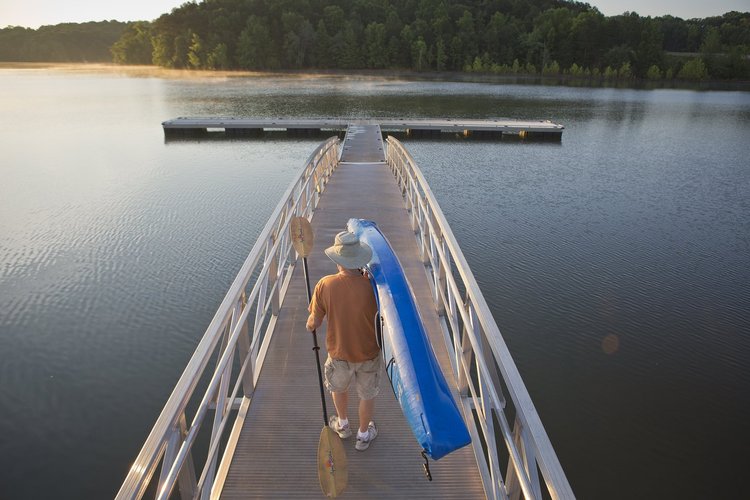
- Boating and Fishing: Lake Hartwell’s vast waters are ideal for boating, with multiple ramps available. Anglers can fish for species like largemouth bass, catfish, and crappie.
- Camping: The park offers campsites equipped with modern amenities, as well as yurts for a unique glamping experience.
- Hiking and Biking: Scenic trails wind through the park, providing opportunities for hiking and mountain biking amidst picturesque landscapes.
- Swimming and Picnicking: Designated swimming areas and picnic shelters make the park a perfect spot for family gatherings and relaxation.
Community Engagement and Events
Tugaloo State Park serves as a community hub, hosting events such as nature workshops, guided hikes, and seasonal festivals. These events foster community engagement, environmental education, and promote conservation efforts.
Read Also: Lavonia’s Gumlog Brewing Company: A Hidden Gem in Lavonia, Georgia
Conservation and Sustainability Efforts
The park is actively involved in conservation initiatives, including habitat restoration projects and environmental education programs. Efforts are made to maintain the ecological integrity of the area, ensuring that future generations can continue to enjoy its natural beauty.
Conclusion
Tugaloo State Park is more than just a recreational area; it’s a symbol of Lavonia‘s dedication to preserving natural spaces and promoting outdoor activities. Its rich history, diverse ecosystems, and array of recreational offerings make it a hidden gem in Georgia’s state park system. Whether you’re seeking adventure, tranquility, or a deeper connection with nature, Tugaloo State Park welcomes you to explore its many wonders.
For more information on Tugaloo State Park and other attractions in Lavonia, visit the City of Lavonia’s official website.