Table of Contents
Introduction
Nestled within the Vickery Street Historic District of Lavonia, Georgia, the Knox-Tribble House stands as a testament to the town’s rich architectural heritage. Completed in 1905, this Queen Anne-style residence, also known as the Knox-Marets-Tribble-Roberts House, showcases the intricate design and craftsmanship characteristic of the era. Its preservation offers a window into Lavonia’s past and underscores the community’s commitment to honoring its history.
Architectural Significance
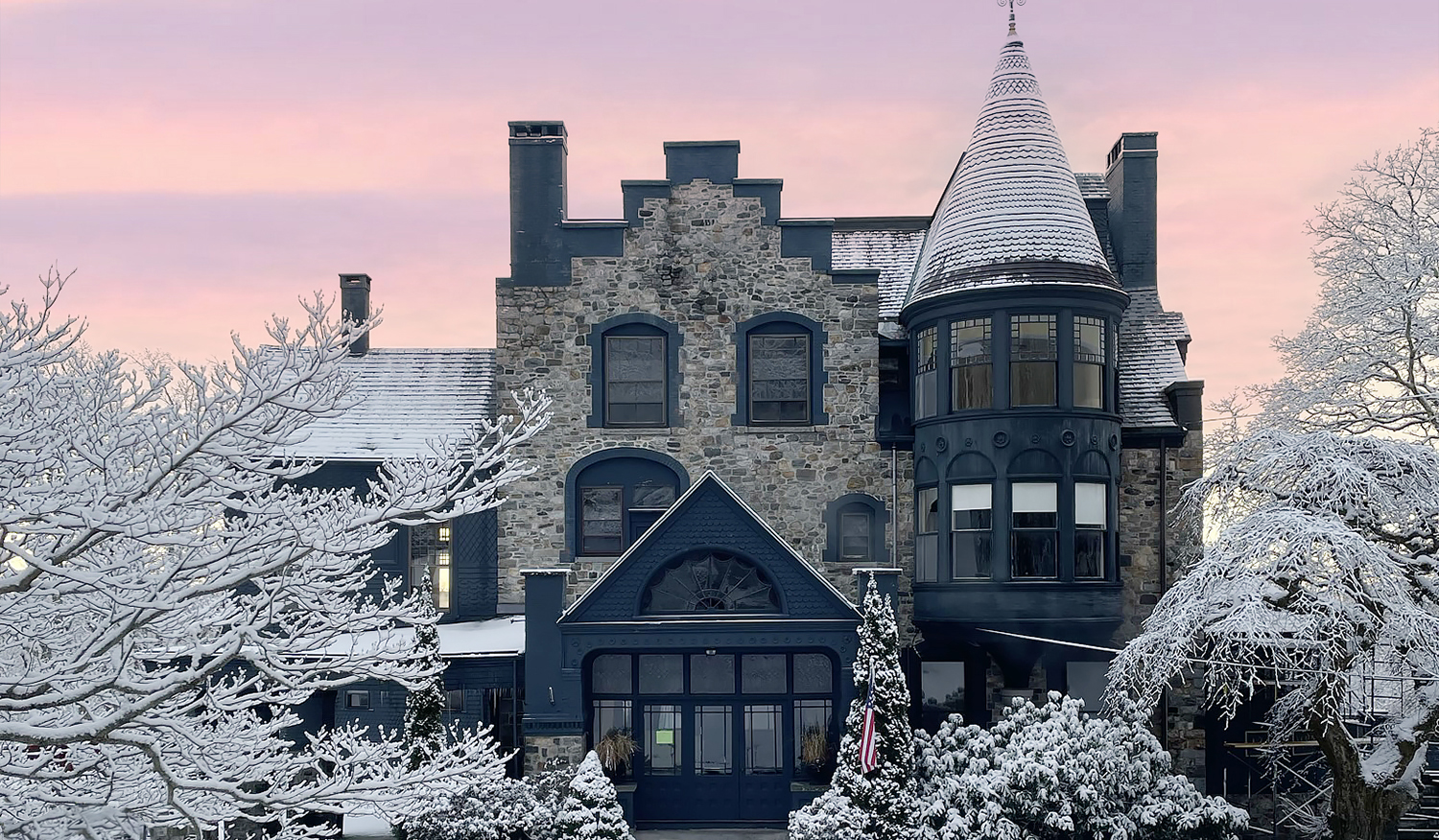
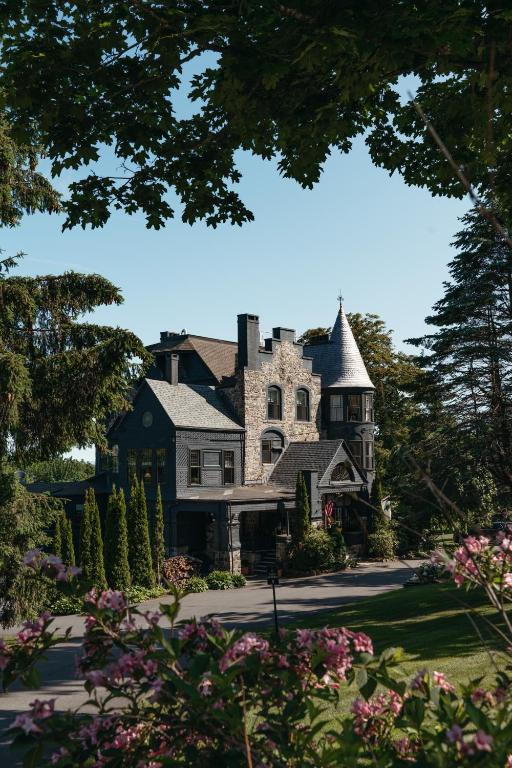
The Queen Anne architectural style, popular in the United States during the late 19th and early 20th centuries, is renowned for its ornate detailing and eclectic design elements. The Knox-Tribble House exemplifies this style with its distinctive features, including:
- Fish Scale Shingles: These decorative shingles add texture and visual interest to the home’s exterior.
- Tower: A prominent tower enhances the vertical emphasis typical of Queen Anne architecture.
- Three-Sided Porch: The expansive porch not only provides a welcoming entrance but also serves as a space for relaxation and socialization.
These elements collectively contribute to the house’s aesthetic appeal and historical value.
Historical Context
The early 20th century marked a period of growth and development for Lavonia. The construction of the Knox-Tribble House during this time reflects the town’s prosperity and the prominence of its residents. The home’s various names—Knox, Marets, Tribble, and Roberts—highlight the succession of families who have resided there, each contributing to its storied history.
Preservation Efforts
Recognizing the importance of preserving its architectural heritage, Lavonia has taken steps to maintain and protect historic structures like the Knox-Tribble House. The inclusion of this residence in the Vickery Street Historic District underscores its significance and ensures that future generations can appreciate its beauty and historical context.
Community Impact of the Knox-Tribble House

Cultural Identity and Local Pride
The Knox-Tribble House is more than just an old home—it’s a symbol of Lavonia’s cultural roots. As one of the most well-preserved Queen Anne-style homes in the area, it:
- Embodies the craftsmanship and artistic flair of a bygone era, which resonates deeply with older generations and introduces younger ones to the elegance of historical design.
- Serves as a source of civic pride, reminding residents that Lavonia has a rich architectural and social history worth preserving.
- Reinforces a shared identity among the community, giving residents a tangible symbol of Lavonia’s historical resilience and continuity.
In many ways, the house acts as a “living museum”—not officially, but emotionally—evoking memories and stories passed down through families who’ve lived in or near the home for generations.
Educational Resource for Students and Historians
Although privately owned or closed to daily public access, historic homes like the Knox-Tribble House offer immense educational value, especially in small towns where such opportunities are limited. Here’s how:
- Local schools can use the house as a teaching tool, incorporating it into history or architecture units. Field trips, visual studies, or even guest lectures by local historians can help students connect with their town’s heritage.
- For architecture students, the house represents a case study in Queen Anne design, showing real-world applications of techniques like asymmetrical facades, decorative trim (gingerbread), and turreted towers.
- The home’s generational ownership stories also give insights into social and economic patterns of Lavonia through the 20th century, which can be analyzed in academic work on Southern history, rural sociology, or preservation policy.
Boost to Local Tourism and Economic Development
While Lavonia is a small town, heritage tourism—visiting locations with cultural and historic significance—is one of the fastest-growing sectors of rural economies. The Knox-Tribble House, particularly because of its architecture and story, can contribute to:
- Driving visitors to Lavonia, especially during heritage festivals, historical society tours, or regional Southern architecture circuits.
- Supporting nearby businesses, such as cafés, antique shops, or bed-and-breakfast inns that benefit from increased foot traffic.
- Helping Lavonia be included in heritage trail maps or self-guided historic tours, putting it on the radar of state or regional tourism boards.
In the long run, this also encourages the city to invest more in infrastructure and preservation, further enriching the town’s economic and cultural landscape.
Platform for Civic Engagement and Historical Preservation
The continued preservation of the Knox-Tribble House inspires and models responsible ownership for other historic property owners. As community members witness how one home can be maintained with historical integrity, they are more likely to:
- Restore their own properties in keeping with Lavonia’s architectural heritage.
- Join or support historical societies, city beautification projects, or local policy-making related to zoning and preservation.
- Advocate for funding or grants that protect historic buildings, which could include forming nonprofit alliances or applying for National Register status (if not already listed).
This kind of active community involvement builds social cohesion and gives people a shared mission—protecting their town’s legacy.
Intergenerational Storytelling and Oral History
Homes like the Knox-Tribble House act as repositories of personal and collective memory. Local elders who remember growing up nearby often share stories of:
- The families who lived there, sometimes describing personalities, community roles, or traditions tied to the home.
- Events that took place on the porch or lawn—like weddings, Sunday talks, or civic meetings.
- Urban legends or ghost stories that naturally form around century-old houses, enriching local folklore and keeping oral traditions alive.
These stories help build emotional connections across generations, reinforcing a sense of place and belonging among younger Lavonians.
Read Also: Shoal Creek Country Music Park in Lavonia, Georgia: A Great Legacy of Innovation and Community
Model for Sustainable Development Through Historic Preservation
In a world focused increasingly on sustainability, the Knox-Tribble House provides a local model of how preserving and reusing historical architecture can:
- Reduce waste, compared to demolition and rebuilding.
- Promote green renovations—modern plumbing, electric, or insulation—while retaining historic charm.
- Showcase how adaptive reuse can be done tastefully, perhaps turning part of the property (if privately owned) into a small museum, art gallery, or Airbnb that honors its past.
This aligns Lavonia with global trends in conservation-focused urban development, where history and innovation are not mutually exclusive but mutually reinforcing.
The Knox-Tribble House is not just a monument of the past—it is a living connector between Lavonia’s history, present, and future. It enriches the town’s cultural fabric, educates its youth, stimulates its economy, and inspires both individual and collective action.
In essence, this home does what few buildings can: it tells stories, fosters learning, fuels pride, and builds bridges—all without speaking a word.
Conclusion
The Knox-Tribble House stands as a shining example of Queen Anne architecture and a tangible link to Lavonia‘s past. Its preservation reflects the town’s dedication to honoring its history and offers inspiration for ongoing efforts to protect and celebrate architectural treasures.
For more information on the Knox-Tribble House and other historic landmarks in Lavonia, you can visit the City of Lavonia’s official website.