Table of Contents
Lavonia, Georgia, is a treasure trove of architectural marvels that narrate the town’s rich history and cultural evolution. From historic districts to iconic buildings, Lavonia’s architectural landscape offers a glimpse into the past while enriching the present-day community.
Lavonia Carnegie Library: A Beacon of Knowledge

Nestled in the center of Lavonia’s historic downtown at 28 Hartwell Road, the Lavonia Carnegie Library stands as one of Georgia’s most significant cultural landmarks. Completed in 1911, the library was funded through the philanthropic efforts of industrialist Andrew Carnegie and remains a lasting symbol of early 20th-century ideals around public access to knowledge, civic improvement, and architectural dignity.
As one of the few Carnegie libraries in Georgia still in operation, the Lavonia Carnegie Library is not just a functioning branch of the Athens Regional Library System—it is a living monument to the town’s historical identity and community vision.
The Philanthropic Legacy of Andrew Carnegie
To understand the Lavonia Carnegie Library’s origin, one must appreciate the vision behind the Carnegie library program. Andrew Carnegie, a Scottish-American steel magnate, believed in the transformative power of self-education. Between 1883 and 1929, he funded the construction of over 2,500 libraries worldwide, more than 1,600 of which were built in the United States.
Communities that sought a Carnegie library were required to:
- Demonstrate a public need for a library.
- Provide the land for construction.
- Agree to annually allocate public funds for staffing and maintenance—usually ten percent of the initial grant.
Lavonia, although a relatively small town at the time, met all three requirements. With a grant of $7,500 from the Carnegie Corporation, the city contributed its own resources, including land and yearly financial support, reflecting its commitment to the growth of public education and literacy.
Architectural Distinction
What sets the Lavonia Carnegie Library apart from other small-town libraries of the era is its sophisticated architectural design. The building was designed in the Renaissance Revival style, which was more commonly associated with urban institutions or university buildings. This choice of style reflects Lavonia’s aspirations toward cultural refinement and long-term civic development.
Notable Architectural Features:
- Symmetrical Facade: The building’s clean, balanced design creates a sense of formality and stability.
- Buff Brick Construction: The soft coloration of the brickwork complements the library’s restrained ornamentation.
- Classical Detailing: Architectural elements like keystones, stone sills, and arched windows pay homage to classical Roman design.
- Pedimented Entryway: A modest, pediment-topped entrance flanked by pilasters serves as the building’s focal point.
- Tall Windows: These allow generous natural light to enter the reading spaces, symbolizing the “illumination” that comes through education.
The building has remained largely unaltered since its original construction, making it an important example of intact early 20th-century civic architecture in the American South.
Historical Recognition and Preservation
In 1983, the Lavonia Carnegie Library was officially added to the National Register of Historic Places, a federal listing that recognizes properties of architectural, cultural, and historical significance.
This designation was not simply honorary. It acknowledged that:
- The building is an outstanding example of small-town public architecture from the early 1900s.
- Its design reflects broader national trends in civic architecture during the Progressive Era.
- The library played a critical role in Lavonia’s development as an educational and cultural hub.
Thanks to this recognition, the building has been preserved and adapted without compromising its historical character.
Function in the 21st Century
Today, the Lavonia Carnegie Library continues to operate as a fully functional branch within the Athens Regional Library System. It has evolved to meet the needs of contemporary users while retaining its original purpose: serving as a center for learning, literacy, and community engagement.
Services Offered:
- Free access to books, periodicals, and digital resources
- Public internet terminals and Wi-Fi access
- Community programs for children, teens, and adults
- Cultural workshops and local author events
- Archival materials and historical exhibits
Importantly, the library plays a critical role in digital literacy and lifelong learning in the Lavonia community, especially for older adults, young students, and underserved populations.
Educational and Economic Impact
Lavonia’s continued investment in its Carnegie Library pays dividends in both social and economic terms. The presence of an active and historically significant library contributes to:
- Educational attainment: Providing resources for students, educators, and self-learners.
- Workforce development: Offering public access to job-search tools, training modules, and resume workshops.
- Tourism and heritage: Attracting visitors interested in architecture, local history, and the legacy of the Carnegie libraries.
- Civic engagement: Serving as a venue for town meetings, cultural programming, and nonprofit partnerships.
Moreover, the library’s historical status helps strengthen property values and encourages preservation-minded development in the surrounding district.
A Regional and National Model
While Lavonia is one of many towns that received a Carnegie library, its ability to maintain and adapt the building for over a century sets it apart. In an era when many small libraries face closures or repurposing, Lavonia’s Carnegie Library stands as a regional model of what can be achieved when historic preservation and modern utility align.
Many preservationists and public librarians view Lavonia as an example of how small-town institutions can embody both heritage and innovation. Its continued relevance underscores the success of the original Carnegie vision.
The Lavonia Carnegie Library is far more than a building—it is a living expression of the town’s values: education, accessibility, civic pride, and cultural heritage. Its presence in the community enriches lives daily, not only through the materials it houses but through the spirit of learning and public service it represents.
In preserving this institution, Lavonia honors its past and secures its future. It is a reminder that even in a digital age, spaces for communal learning, rooted in history and architecture, remain vital.
Vickery Street Historic District: A Walk Through History

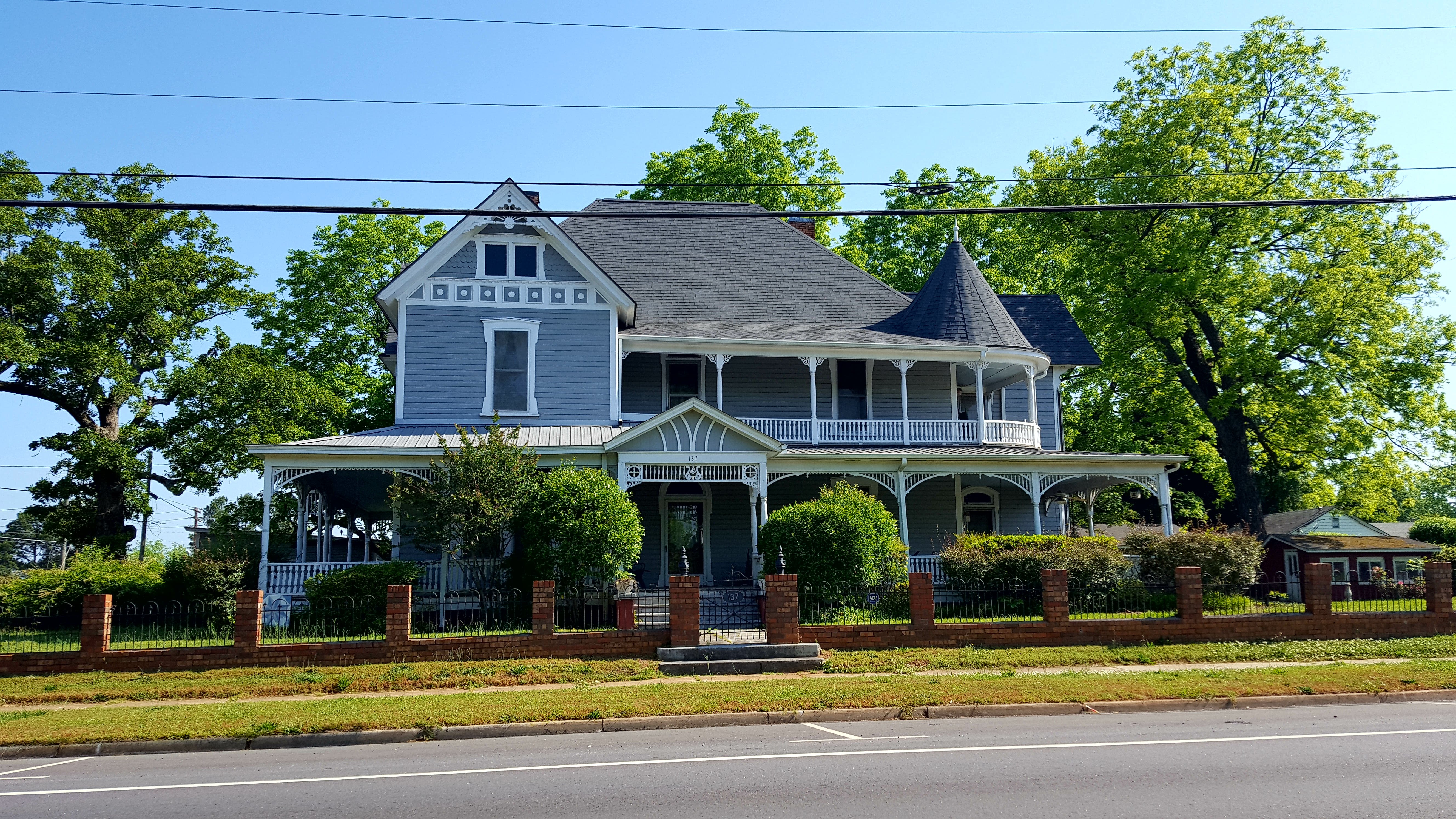
Spanning approximately 23 acres, the Vickery Street Historic District offers a picturesque journey through Lavonia’s architectural evolution. Listed on the National Register of Historic Places in 1983, the district encompasses about four blocks on both sides of Vickery Street and includes 34 contributing buildings. The area showcases a mix of architectural styles, with the Queen Anne-style Knox-Maret-Tribble-Roberts Residence standing out for its three-story tower adorned with fish-scale shingles and a conical roof.
Jones Street Residential Historic District: A Blend of Styles
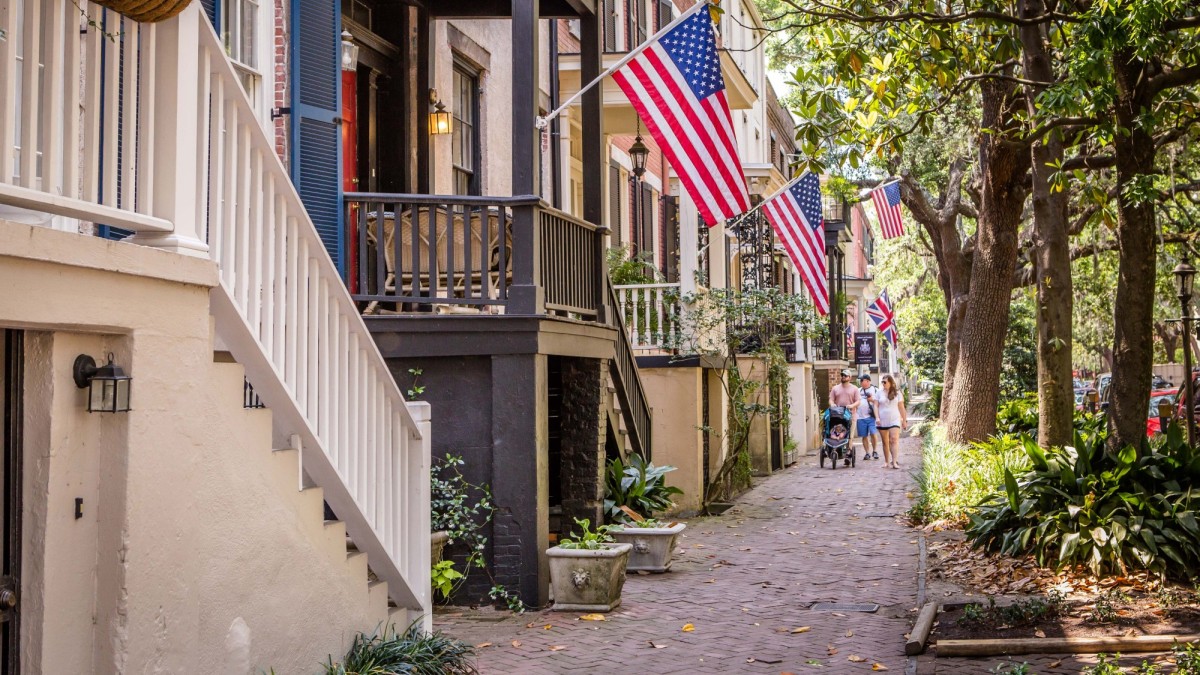
The Jones Street Residential Historic District, covering 9 acres, is another gem in Lavonia’s architectural crown. Added to the National Register of Historic Places in 1983, this district includes 14 contributing residential buildings. The architecture here is diverse, featuring Classical Revival, Late Victorian, and Plantation Plain styles, reflecting the town’s growth and changing tastes over the years.
Kidd House: A Craftsman Masterpiece
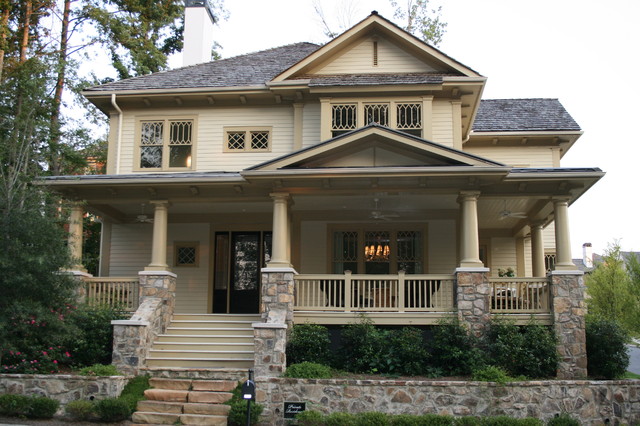
Designed by renowned architect Leila Ross Wilburn, the Kidd House is a prime example of Bungalow/Craftsman architecture. Built in 1919 and located at 222 Hartwell Road, this -story house is notable for its elaborate design and association with C.A. Kidd, Sr. The property, which includes a pecan grove, was recognized for its architectural significance and added to the National Register of Historic Places in 1983.
Vickery House: A Merchant’s Legacy
Also known as the Shirley House, the Vickery House was constructed around 1900–1905 for C.W. Vickery, a prominent merchant and founder of the Vickery Bank. Situated on Grogan Street, this historic residence was added to the National Register of Historic Places in 1983, highlighting its importance in Lavonia’s commercial and architectural history.
Preservation Efforts and Community Impact
Lavonia’s commitment to preserving its architectural heritage has not only safeguarded its historical structures but also fostered community pride and tourism. These preserved sites serve as educational resources, offering residents and visitors alike a tangible connection to the past. The town’s efforts have also spurred economic development, with restored buildings housing local businesses, museums, and cultural centers.
Read Also: Top 5 Local Favorite Restaurants in Lavonia, Georgia
Conclusion
Lavonia’s architectural heritage is a rich tapestry that weaves together the stories of its people, culture, and evolution. By preserving and celebrating these historic structures, Lavonia honors its past while building a vibrant future. Whether you’re an architecture enthusiast, history buff, or curious traveler, Lavonia’s historic districts and buildings offer a captivating journey through time.
For more information on Lavonia’s historic sites and preservation efforts, visit the City of Lavonia’s official website.