Table of Contents
Introduction
Nestled in the heart of Lavonia, Georgia, the Lavonia Commercial Historic District stands as a testament to the town’s dedication to preserving its rich architectural and cultural heritage. Designated on the National Register of Historic Places in 1983, this 16.5-acre district encompasses 18 contributing buildings that reflect the economic and social history of Lavonia. This article delves into the origins, significance, and ongoing impact of the Lavonia Commercial Historic District, highlighting its role in shaping community identity and promoting sustainable development.
Historical Background of the Lavonia Commercial Historic District
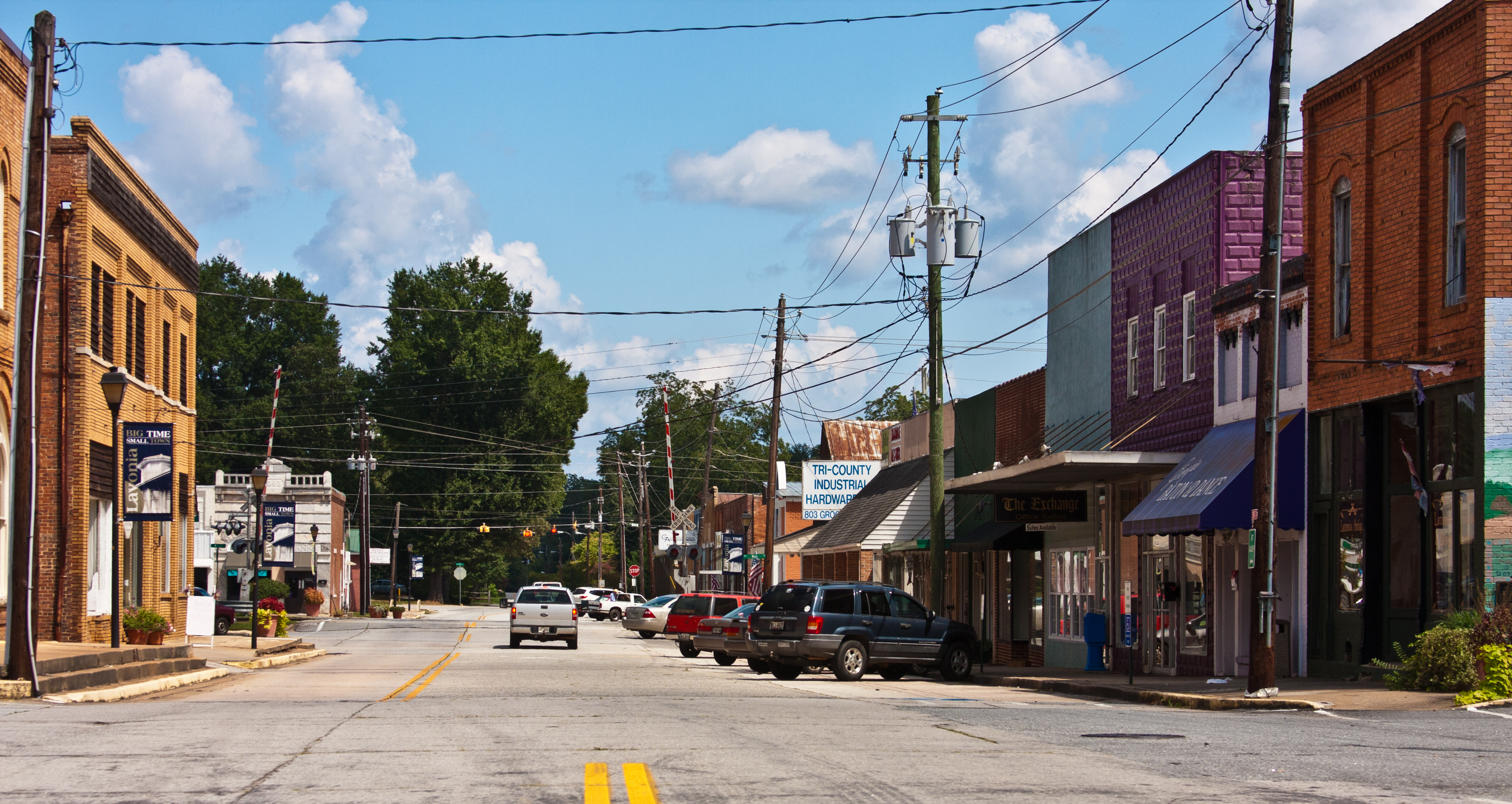
The roots of the Lavonia Commercial Historic District stretch back to the late 1800s, closely tied to a transformative period in Georgia’s development—the rise of the railroad. Lavonia was formally incorporated in 1880, but the seeds of its downtown area were planted a few years earlier when the Elberton-Air Line Railroad expanded through the region in the 1870s. Like many small towns in the American South, Lavonia’s origin and economic life revolved around rail transport, agriculture, and local entrepreneurship.
The Birth of a Commercial Center
The location chosen for Lavonia was strategic—situated in Franklin County, near the border of Hart County, Lavonia served as a vital connector between rural farms and larger markets. The arrival of the railroad was a game-changer. It facilitated the movement of cotton, lumber, livestock, and other goods, effectively transforming Lavonia from a modest stop on the rail line to a thriving rural trading center.
The initial development of the downtown district followed a familiar Southern model: a railroad depot at the heart of town with a growing cluster of brick and wooden buildings around it. These early structures housed general stores, banks, blacksmith shops, pharmacies, and hotels—all necessary institutions for a growing commercial town. Most of these early buildings were designed not just for utility, but to reflect a sense of permanence and optimism. Many were built using locally fired red bricks, and their facades still bear the craftsmanship of the period.
Architecture and Urban Planning

By the early 20th century, Lavonia’s downtown was flourishing. What makes the Commercial Historic District architecturally notable is the remarkable continuity and integrity of its historic structures. Unlike many small towns that demolished older buildings to make way for modern developments, Lavonia retained much of its original downtown.
The buildings in the district reflect Italianate and Romanesque Revival styles, which were popular in commercial architecture during the late 19th and early 20th centuries. Features like arched windows, corbelled brick cornices, transom lights above doors, and cast iron columns are still visible today. These features not only give the district its distinct historical charm but also provide a living classroom of architectural trends from America’s Gilded Age and Progressive Era.
Economic Booms and Declines
Lavonia’s fortunes rose and fell with the broader economy. The Great Depression of the 1930s hit the region hard, leading to a slowdown in commerce. However, the town saw a resurgence post-World War II, when rural industrialization and improved road networks brought new life into small towns. Lavonia adapted by integrating automobile-friendly infrastructure while still retaining its pedestrian-friendly downtown.
Unlike many towns that let their historic cores fall into disrepair, Lavonia’s leadership and citizens took a different route. Even during lean years, there was a conscious effort to preserve the architectural and cultural soul of the town. This approach culminated in the 1983 listing of the Lavonia Commercial Historic District on the National Register of Historic Places, a milestone that protected the area and enabled it to qualify for grants and preservation assistance.
The District Today: A Living Chronicle
Today, walking through the Lavonia Commercial Historic District feels like stepping into a time capsule. Storefronts still line the streets as they did over a century ago. The Lavonia Depot, once a key transit hub, has been restored and serves as a museum and community gathering space. The district is also the site of numerous community events, including Lavonia Fall Festival, craft markets, and historical walking tours.
This deep sense of place and continuity isn’t accidental—it’s the result of decades of community engagement, preservation advocacy, and urban planning that respects the past while accommodating the future.
Historical Timeline Highlights
| Year | Event |
|---|---|
| 1870s | Elberton-Air Line Railroad reaches Lavonia area. |
| 1880 | Lavonia officially incorporated as a town. |
| 1890s–1920s | Construction boom in downtown Lavonia; Italianate and Early Commercial architecture dominate. |
| 1930s | Great Depression impacts local economy; some businesses close. |
| 1940s–50s | Economic revival post-WWII; infrastructure modernizes. |
| 1983 | Lavonia Commercial Historic District added to National Register of Historic Places. |
| 2000s–present | Continued preservation efforts and revitalization projects led by city and local organizations. |
Why This History Still Matters Today

The historical roots of Lavonia’s commercial district do more than provide aesthetic appeal—they tell a story about resilience, adaptation, and pride of place. In a time when many rural towns have lost their downtowns to neglect or urban sprawl, Lavonia stands out for preserving its core identity. This historical integrity has not only attracted tourism and investment but has also provided a strong foundation for community identity and future growth.
By understanding where Lavonia came from, we gain a clearer view of where it’s going. Its past is not just history—it’s a living asset that continues to shape its future.
Architectural Significance
The district showcases a variety of architectural styles, including Italianate, Romanesque Revival, and Early Commercial. These styles are characterized by features such as decorative brickwork, arched windows, and ornate cornices. The preservation of these buildings provides a tangible link to Lavonia’s past, allowing residents and visitors to experience the town’s historical ambiance.
Economic and Social Impact
The Lavonia Commercial Historic District has played a significant role in the town’s economic and social development. The preservation of historic buildings has attracted tourism, fostering local businesses and contributing to the town’s economic vitality. Additionally, the district serves as a focal point for community events and cultural activities, strengthening social bonds and promoting civic pride.
Preservation Efforts
The designation of the Lavonia Commercial Historic District on the National Register of Historic Places has been instrumental in guiding preservation efforts. Local organizations and government agencies have collaborated to maintain and restore the district’s buildings, ensuring their structural integrity and historical authenticity. These efforts have included facade improvements, adaptive reuse of buildings, and the implementation of design guidelines to maintain the district’s character.
Read Also: New Businesses Opening in Lavonia in 2025: A Comprehensive Guide
Challenges and Opportunities
Preserving historic districts like Lavonia’s presents both challenges and opportunities. Balancing the need for modernization with the desire to maintain historical integrity requires careful planning and community engagement. However, successful preservation can lead to increased property values, tourism, and a strengthened sense of community identity.
Conclusion
The Lavonia Commercial Historic District serves as a living reminder of the town’s rich history and enduring commitment to preserving its cultural heritage. Through dedicated preservation efforts, the district continues to contribute to Lavonia’s economic vitality and community cohesion. As Lavonia moves forward, the lessons learned from preserving its past will undoubtedly inform its future development.