Table of Contents
Introduction
Nestled in the foothills of the Blue Ridge Mountains, Lavonia, Georgia, is more than just a charming small town with rich history — it is also a gateway to some of the most pristine natural landscapes in Hart County. While many visitors know Lavonia for its welcoming community and historical sites, fewer realize the wealth of hidden outdoor treasures that surround this city.
From quiet, unexplored hiking trails to thriving habitats of native wildlife, Lavonia offers nature lovers a serene escape and a chance to reconnect with the environment. This article explores these natural gems in detail, highlighting their ecological importance, recreational opportunities, and the local efforts to preserve and promote sustainable interaction with the environment.
1. Discovering Lavonia’s Untouched Trails

1.1 The Serenity of Shoal Creek and Its Trails
One of the best-kept secrets around Lavonia is the network of hiking trails around Shoal Creek. This creek flows gently through lush woodlands, creating scenic views perfect for hiking, bird watching, and photography.
- Trail Highlights: The Shoal Creek Trail offers moderate terrain suitable for all skill levels. It meanders through hardwood forests, passing by small waterfalls and natural rock formations.
- Wildlife Spotting: Visitors often see deer, wild turkeys, and a variety of songbirds like the Carolina wren and eastern towhee.
- Tips for Visitors: Early mornings and late afternoons are ideal for spotting wildlife. The trail is well-maintained but bring sturdy shoes and water.
1.2 Hidden Paths of the Hart County Wildlife Management Area
Just a short drive from Lavonia lies the Hart County Wildlife Management Area (WMA), a protected zone spanning thousands of acres. While many use the WMA for hunting, it also features less-frequented walking paths that invite exploration and discovery.
- Flora and Fauna: This area is home to native species such as white-tailed deer, bobcats, and rare wildflowers like the purple coneflower.
- Conservation Focus: The WMA’s management balances public access with habitat preservation, ensuring sensitive ecosystems remain intact.
- How to Access: Visitors should check the official Hart County WMA website for access rules and seasonal updates.
2. Native Wildlife of the Lavonia Region
2.1 Birds of Hart County: An Avian Paradise
The forests and waterways near Lavonia create a perfect habitat for more than 150 bird species, making it a hotspot for birdwatchers.
- Notable Species: The red-shouldered hawk, pileated woodpecker, and barred owl are among the most admired.
- Migratory Birds: Seasonal migrations bring visitors like the scarlet tanager and Baltimore oriole.
- Birdwatching Tips: Binoculars and a field guide improve your experience; early spring and fall are peak seasons.
2.2 Amphibians and Reptiles: The Unsung Residents
Often overlooked, amphibians and reptiles contribute greatly to the ecological balance in Lavonia’s natural spaces.
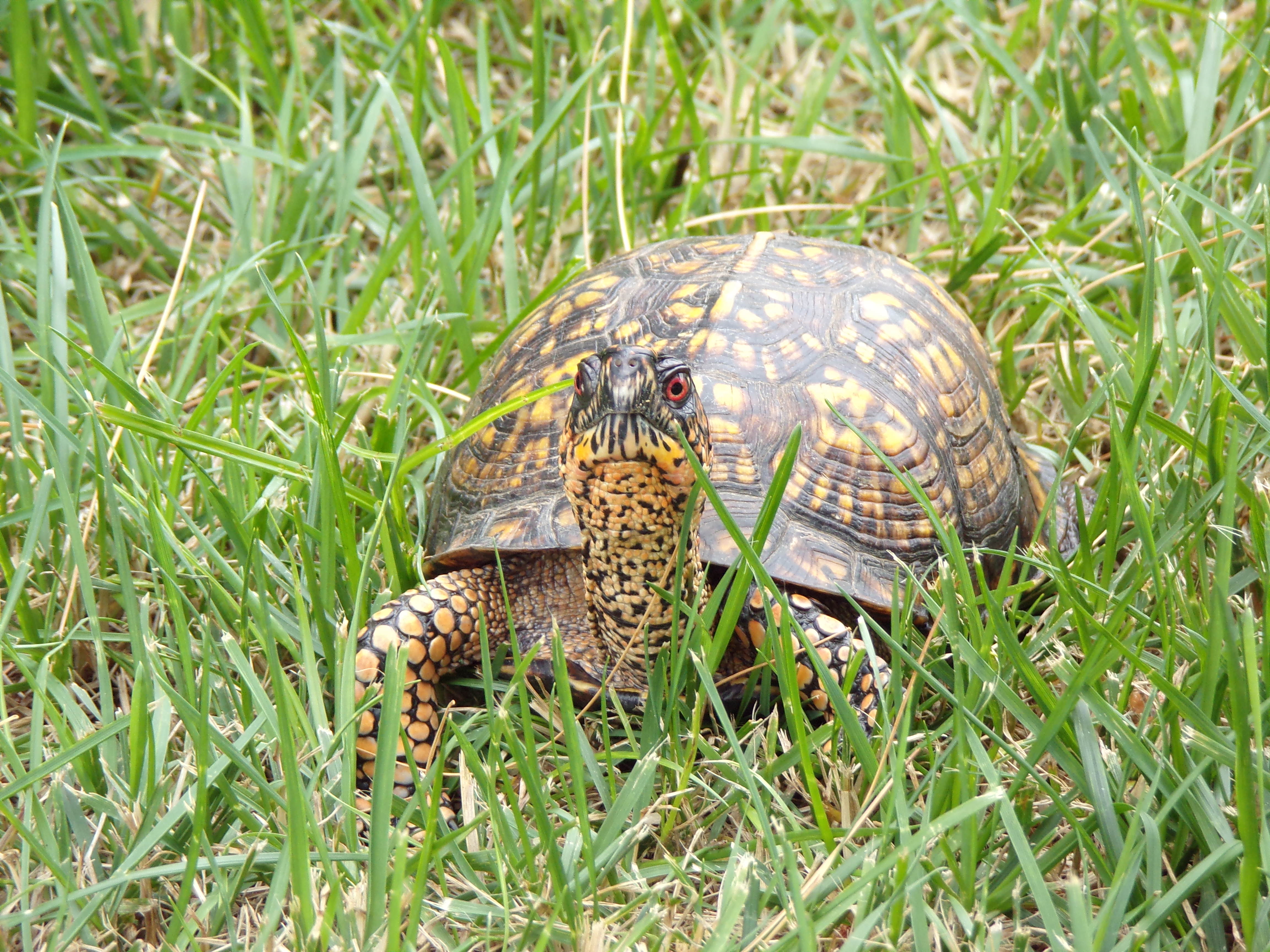
- Common Species: The eastern box turtle, green frog, and the timber rattlesnake (rare but present) inhabit the area.
- Ecological Role: These creatures help control insect populations and serve as indicators of environmental health.
- Conservation Note: Avoid disturbing habitats; many amphibians are sensitive to pollution and habitat loss.
3. Conservation Efforts and Community Involvement
3.1 Local Organizations Championing Nature Preservation
The survival of Lavonia’s natural beauty depends on dedicated conservation groups and community volunteers.
- The Hart County Environmental Council: This nonprofit organizes cleanups, educational programs, and advocates for sustainable land use.
- Friends of Shoal Creek: Focused on protecting the creek and its watershed, they engage in water quality testing and native plant restoration.
3.2 Educational Programs and Public Awareness
Efforts to engage youth and residents include nature camps, guided hikes, and workshops on native plants and animals.
- These initiatives foster environmental stewardship and ensure future generations appreciate and protect these natural gems.
4. Recreational Opportunities: Fishing, Picnicking, and More
4.1 Fishing in the Waters of Hart County
The creeks and lakes near Lavonia provide excellent fishing spots rich in bass, catfish, and crappie.
- Popular Spots: Shoal Creek and nearby Lake Hartwell attract anglers year-round.
- Regulations: Anglers should familiarize themselves with Georgia’s fishing regulations to protect fish populations.
4.2 Picnic Areas and Outdoor Relaxation
For families and casual visitors, Lavonia’s parks and natural spaces offer peaceful picnic areas surrounded by greenery.
- Shoal Creek Park: Equipped with benches, grills, and playgrounds, ideal for a day outdoors.
- Wildflower Viewing: Spring is perfect for spotting native blooms like wild asters and goldenrod.
5. The Economic and Social Impact of Nature Tourism
5.1 Boosting Local Economy through Eco-Tourism
Nature tourism brings visitors who support local businesses such as eateries, outdoor outfitters, and lodging.
- Sustainable Tourism: Promoting eco-friendly practices helps maintain the environment and enhances visitor experience.
5.2 Enhancing Community Wellbeing and Quality of Life
Access to natural spaces improves mental health, encourages physical activity, and strengthens community bonds.
- Residents enjoy regular events like outdoor yoga, birdwatching clubs, and volunteer restoration projects.
6. How to Experience Lavonia’s Natural Gems Responsibly
Exploring the natural beauty of Lavonia and its surrounding areas is a wonderful way to connect with nature, relax, and learn about local ecosystems. However, with this privilege comes the responsibility to protect these fragile environments so they remain pristine for future generations. Here are some important principles and practical tips to help you enjoy Lavonia’s natural gems in an eco-friendly and respectful way:
1. Follow the Leave No Trace Principles
The Leave No Trace principles are internationally recognized guidelines that encourage outdoor enthusiasts to minimize their environmental impact. Applying these while exploring Lavonia’s trails and natural areas helps preserve the landscape and wildlife.
- Plan Ahead and Prepare: Know the area you’re visiting, bring necessary gear (like water, maps, appropriate footwear), and follow local regulations such as trail use or fishing permits.
- Travel and Camp on Durable Surfaces: Stick to established trails and campsites to avoid damaging plants and soil. Walking off-trail can lead to erosion and harm sensitive habitats.
- Dispose of Waste Properly: Pack out all trash, leftover food, and litter. Even biodegradable items can disrupt local wildlife and ecosystems.
- Leave What You Find: Don’t pick plants, remove rocks, or disturb historical artifacts. Leave natural objects and cultural heritage as you found them.
- Minimize Campfire Impact: If fires are allowed, keep them small and use existing fire rings. In many places, including sensitive wildlife areas, fires may be prohibited.
- Respect Wildlife: Observe animals from a distance. Avoid feeding or approaching wildlife as it can stress them and alter their natural behavior.
- Be Considerate of Other Visitors: Keep noise levels low, yield on trails, and respect others’ desire for solitude or quiet enjoyment.
2. Stick to Marked Trails and Designated Areas
Lavonia’s natural areas have carefully planned trails and recreational spots designed to protect the environment. Straying from these paths can trample native vegetation, disrupt wildlife habitats, and cause soil erosion.
- Use trail maps and signage to navigate safely and avoid getting lost.
- Stay off fragile or closed areas that might be undergoing restoration.
- When hiking or biking, yield to other users and animals on the trail.
3. Avoid Disturbing Wildlife
Lavonia is home to many sensitive species, some of which are rare or protected. To minimize disturbance:
- Keep a respectful distance—use binoculars or zoom lenses for observation and photography.
- Never feed wild animals; human food can harm their health and behavior.
- Keep pets on leashes and under control to prevent chasing or frightening wildlife.
4. Use Eco-Friendly Products and Practices
If you’re camping, fishing, or spending extended time outdoors, choose environmentally friendly options:
- Use biodegradable soaps and detergents if you need to wash outdoors.
- Avoid single-use plastics—bring reusable water bottles and containers.
- Properly dispose of fishing lines, hooks, and bait to prevent harm to aquatic life.
5. Participate in Local Conservation Efforts
Getting involved with community programs is a great way to support Lavonia’s natural heritage:
- Volunteer for cleanup days along Shoal Creek or other waterways.
- Join native plant restoration or tree planting initiatives.
- Support local environmental organizations financially or by spreading awareness.
6. Educate Yourself and Others
Understanding the importance of these natural spaces encourages more responsible behavior:
- Learn about local species, ecosystems, and conservation challenges.
- Share knowledge with friends, family, and other visitors to inspire respectful outdoor enjoyment.
- Attend educational programs, workshops, or guided tours hosted by local groups.
By following these responsible practices, visitors and locals alike can ensure that Lavonia’s natural gems remain healthy, vibrant, and accessible for everyone — now and for generations to come. Enjoy the peaceful forests, sparkling streams, and diverse wildlife while being a steward of this beautiful land.
Conclusion
Lavonia, Georgia, may be a small city, but its natural surroundings offer vast, hidden wonders. From tranquil hiking trails and abundant wildlife to community-driven conservation projects, the area invites exploration and stewardship. Whether you’re a local looking for a peaceful escape or a visitor seeking authentic nature experiences, Lavonia’s natural gems promise memorable and meaningful encounters.
By valuing and protecting these outdoor treasures, the community honors its heritage while nurturing a sustainable future — one trail, one creek, and one wildlife sighting at a time.